





WarriorCollective
Dutch Kickboxing Training Drills - Fighter Development with Said El Badaoui
Dutch Kickboxing Training Drills - Fighter Development with Said El Badaoui
Couldn't load pickup availability


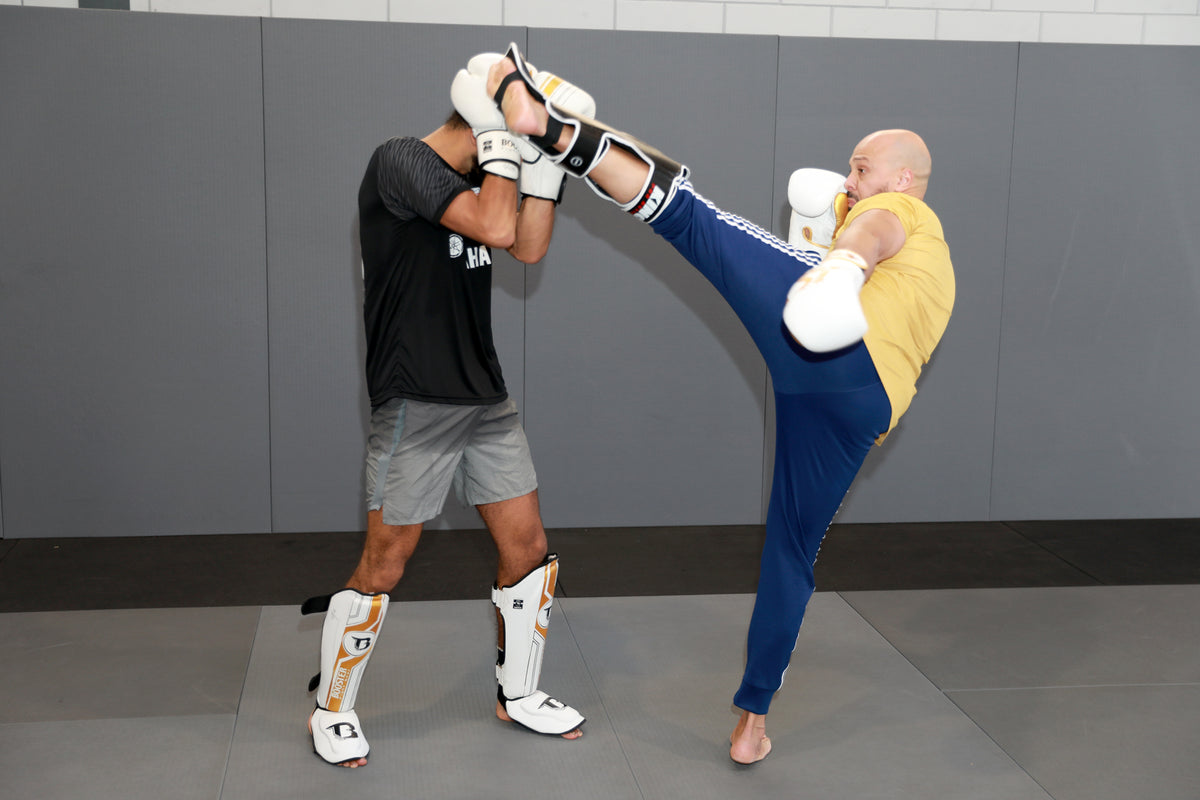
Dutch Kickboxing Training Drills – Fighter Development with Said El Badaoui
Develop Fighters Through Dutch Kickboxing Training Drills
Dutch Kickboxing has long been recognised for its aggressive combinations, pressure, powerful kicks and demanding partner drills.
But developing elite fighters requires far more than simply learning how to throw high-volume combinations.
In Dutch Kickboxing Training Drills – Fighter Development, world-renowned SB Gym founder and head coach Said El Badaoui presents the foundations of the modern Dutch/K-1 Kickboxing methodology he uses to develop fighters for elite-level competition.
Across this full-length Warrior Collective instructional, Said breaks down his approach to countering boxing, dealing with kickers, attacking fundamentals, fighter pad work, sparring development and Dutch-style training drills.
Rather than simply teaching individual techniques, Said explains how he structures training to develop fighters who can attack, defend, counter and adapt intelligently under pressure.
This is Volume 1 of Said El Badaoui's expanding Warrior Collective instructional series and the ideal starting point for understanding his approach to modern Kickboxing.

A Modern Approach to Dutch Kickboxing Training
Traditional Dutch Kickboxing is renowned for pressure, high-volume combinations and hard partner training.
Said's approach retains those qualities while introducing a greater emphasis on fight IQ, adaptability, movement, counter fighting and tactical decision-making.
The result is a modern evolution of the Dutch system designed for the demands of contemporary K-1 Kickboxing, Muay Thai and MMA striking.
Throughout the volume, Said demonstrates how structured Kickboxing training drills can be used to develop skills that transfer directly into pad work, partner training, sparring and competition.

Learn from Said El Badaoui
Said El Badaoui is the founder and head coach of SB Gym in Utrecht, Netherlands, and one of the most respected striking coaches working in modern combat sports.
After beginning Kickboxing as a child, Said entered competition in his early teens before turning professional at just 17.
A serious motorcycle accident brought his own competitive career to an early end, but his attention subsequently shifted towards coaching. He moved into coaching full time and went on to establish SB Gym as a destination for elite fighters and coaches from around the world.
Throughout his coaching career, Said has worked with high-level competitors across Kickboxing, Muay Thai and MMA, including Badr Hari, Melvin Manhoef, Ilias Bulaid, Ilias Ennahachi and Tayfun Özcan.
His coaching combines the aggression and work rate traditionally associated with Dutch Kickboxing with intelligent positioning, counters, movement and creative striking.
Dutch Kickboxing Training Drills – Fighter Development provides an opportunity to study that methodology in detail.
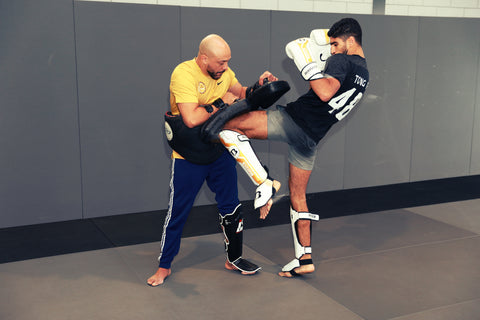
What You'll Learn
Countering Ranged Boxing
Learn how to defend against long-range punches before immediately turning defence into aggressive counter attacks.
Rather than simply blocking and resetting, Said demonstrates how fighters can take control of the exchange immediately after defending.
Short-to-Long Counter Fighting
Understand how to change range, level and target when dealing with powerful boxing attacks on the inside.
Develop the ability to defend at one distance before immediately attacking at another.
Attacking & Defending Low Kicks
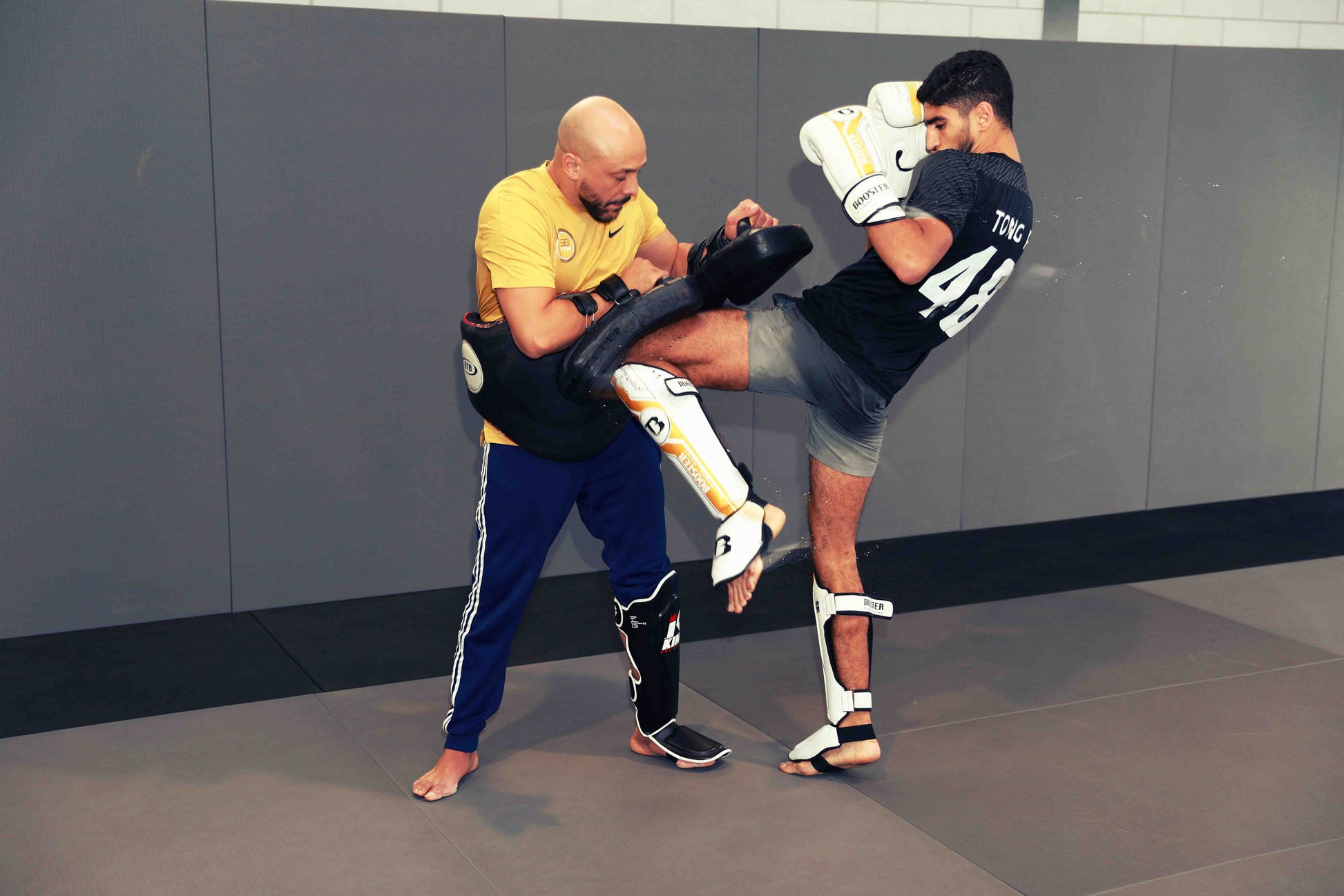
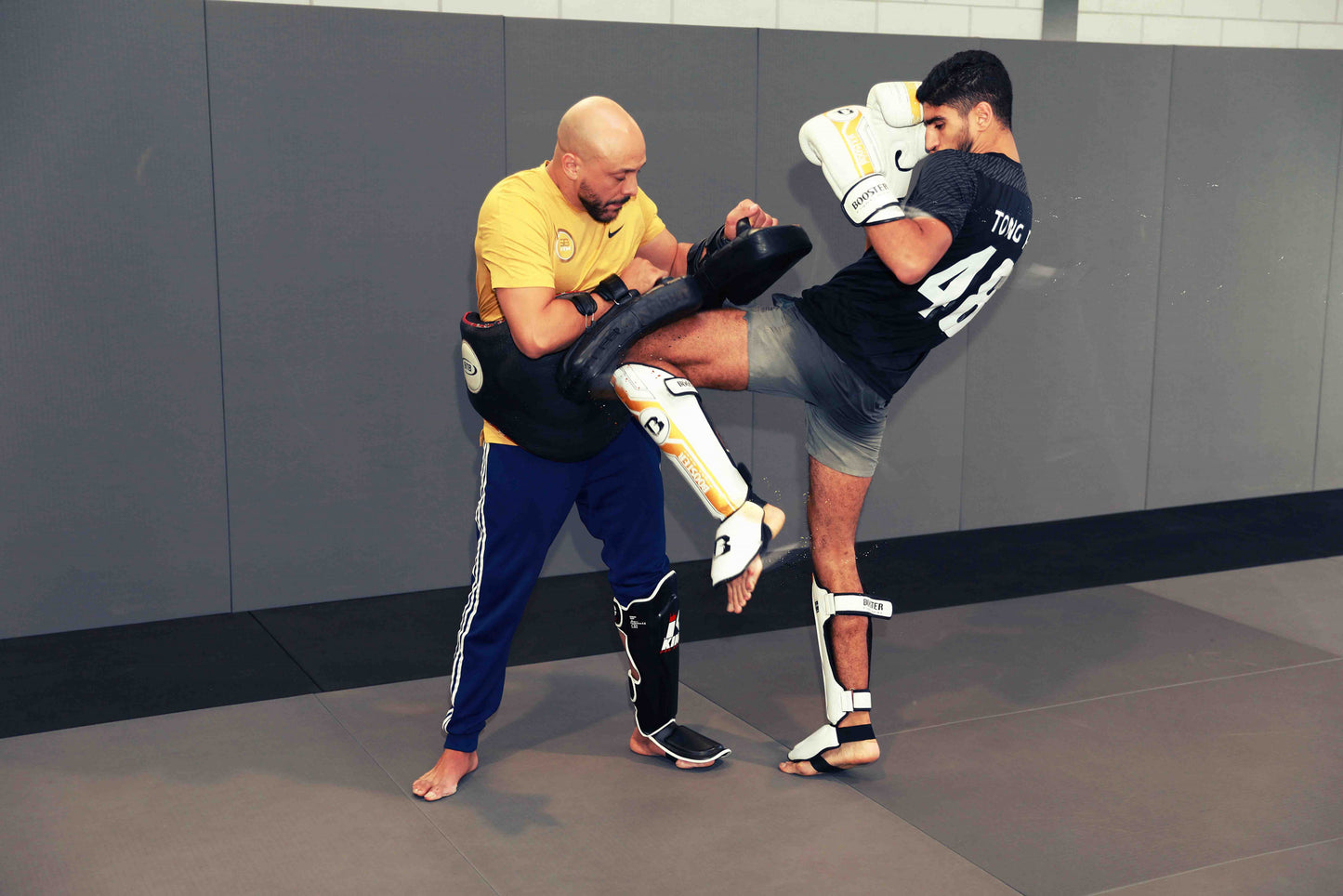
Build practical systems for both attacking with and defending against powerful low kicks within K-1-style Kickboxing.
Learn how defensive reactions can naturally create opportunities to counter.
Beating Kickers
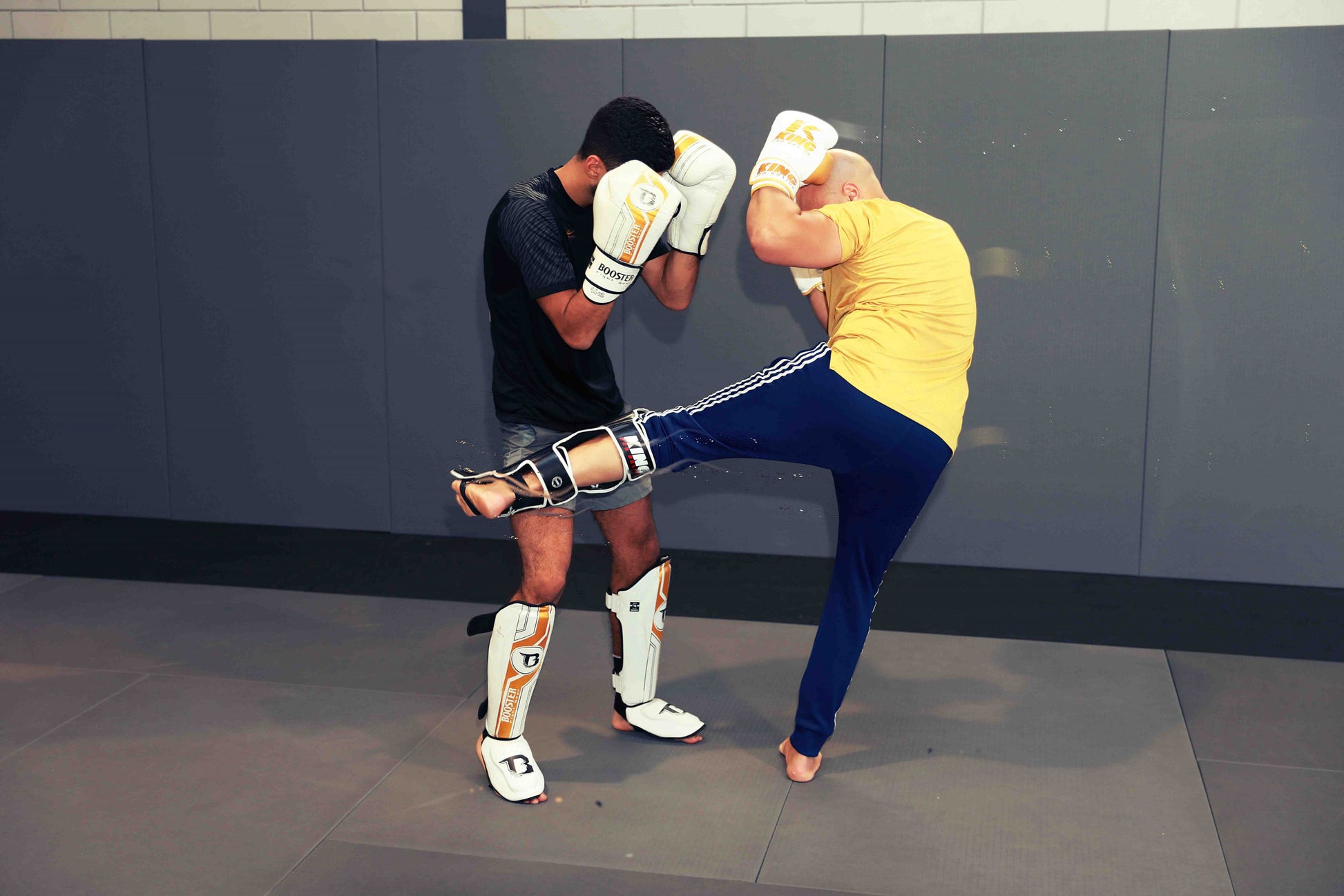
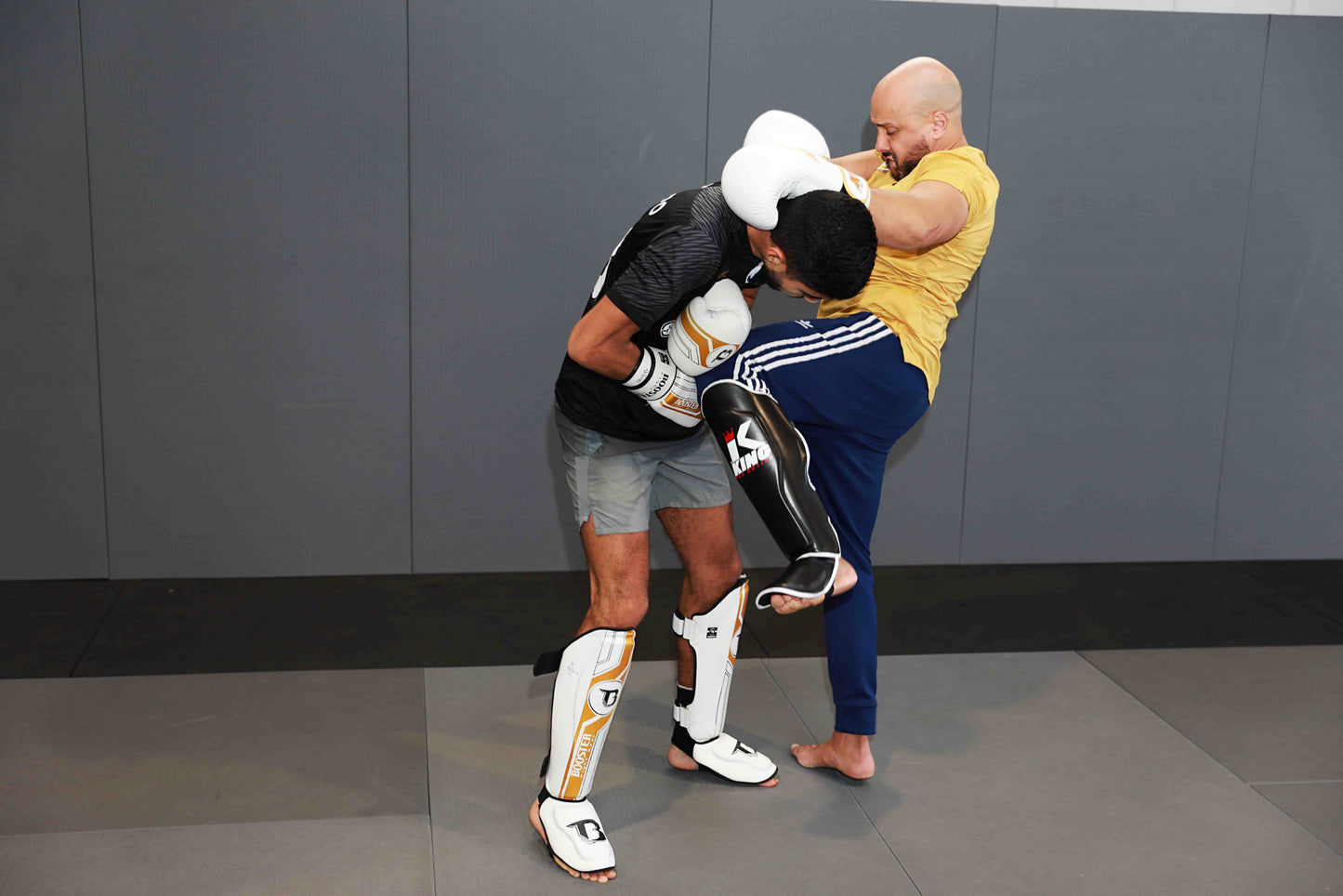
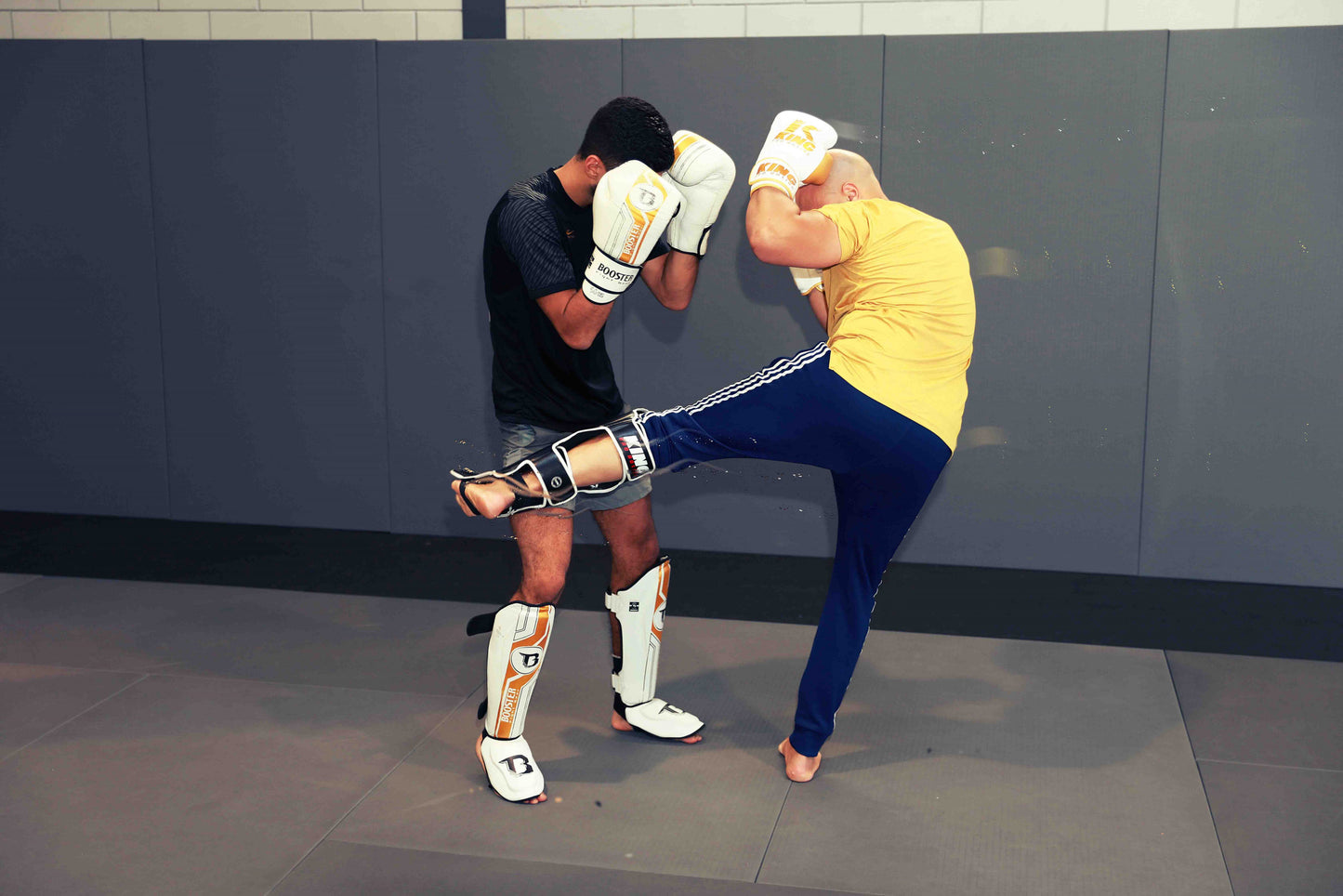
Develop different defensive responses against body and head kicks rather than relying on one predictable reaction.
Said demonstrates how changing defensive responses makes fighters harder to read while creating opportunities to disrupt an opponent's momentum.
Countering the Teep
Learn structured drills for dealing with long-range teeps and front kicks while immediately creating opportunities to attack.
Developing Power on the Pads
Study the pad-work methodology Said uses to develop power while maintaining balance, positioning and technical structure.
Rather than simply hitting harder, fighters learn how to generate effective power without sacrificing their ability to continue the exchange.
Attacking Fundamentals
Elite fighters still rely on fundamentals.
Said demonstrates how basic punches, kicks and knees can be repeatedly refined while progressively adding combinations, reactions and tactical layers.
Fighter Development Pad Work
Take traditional pad work further by introducing angles, counters, movement and decision-making.
The objective is not simply to complete combinations but to develop skills that transfer into sparring and competition.
Mixing Attacking & Countering Styles
Develop drills that teach fighters to move seamlessly between initiating attacks and responding to their opponent.
This creates more adaptable strikers capable of dealing with opponents from different styles and backgrounds.
Sparring Concepts
Understand Said's approach to developing fighters through sparring.
Learn how technical concepts, reactions and tactical objectives can be introduced into live exchanges rather than allowing sparring to become uncontrolled fighting in the gym.
Creative Striking
Develop the ability to remain unpredictable even when fighting aggressively.
Said demonstrates how fighters can retain creativity while applying pressure rather than falling into repetitive combinations and predictable attacking patterns.
SB Gym Class Training Drills
Bonus material provides additional examples of the training drills Said uses with fighters inside SB Gym, giving coaches practical ideas that can be introduced directly into their own sessions.
More Than a Collection of Kickboxing Drills
The real value of this instructional isn't simply the number of drills included.
It's understanding why Said uses them.
Each drill has a specific fighter-development objective.
Some improve reactions.
Others develop counter fighting.
Some teach range management.
Others introduce angles, combinations or defensive responsibility.
Together, they demonstrate how individual Kickboxing drills can be connected to create a structured approach to developing more intelligent fighters.
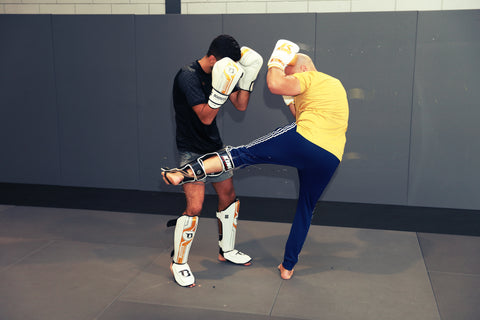
Who Is This Instructional For?
Dutch Kickboxing Training Drills – Fighter Development is primarily designed for intermediate to advanced:
Kickboxers looking to improve their attacking, defensive and counter-fighting skills.
K-1 fighters wanting training methods designed around punches, kicks and knees.
Muay Thai practitioners interested in incorporating Dutch-style combinations, pressure and counter fighting into their striking.
MMA athletes looking to improve their ability to transition between boxing and kicking attacks.
And importantly, coaches looking for structured Kickboxing drills, pad-work systems, partner exercises and sparring concepts that can be incorporated directly into fighter-development programs.
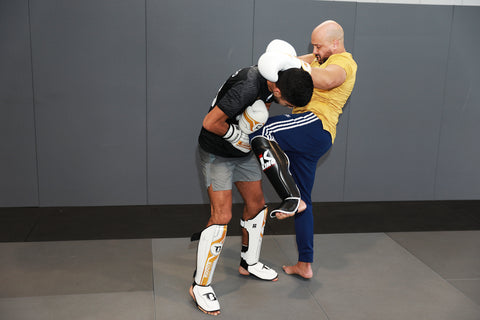
Build Better Fighters
If you want to:
- Develop effective Dutch Kickboxing training drills
- Improve attacking and counter-fighting skills
- Learn how to deal with boxers and kickers
- Develop better fighter-focused pad work
- Improve sparring structure and fight IQ
- Introduce proven fighter-development drills into your coaching
- Study the methods of one of modern Kickboxing's leading coaches
then Dutch Kickboxing Training Drills – Fighter Development provides the ideal foundation for studying Said El Badaoui's approach to building complete fighters.
Build the fundamentals. Develop the reactions. Understand the system. Then take the next step into Volume 2.

Frequently Asked Questions
What are Dutch Kickboxing training drills?
Dutch Kickboxing training drills are structured exercises designed to develop combination striking, defence, counter fighting, timing, conditioning and fight IQ.
A typical drill combines punches with low kicks, body kicks, knees or defensive movements, often with both training partners alternating between attacking and defending.
In Dutch Kickboxing Training Drills – Fighter Development, Said El Badaoui uses these drills for a specific purpose: developing fighters who can move naturally between offence, defence and counter attacks rather than simply memorising combinations.
How do you train Dutch Kickboxing?
Dutch Kickboxing training typically combines technical drilling, partner work, pad work, bag work, conditioning and sparring.
Partner drills are particularly associated with the Dutch approach. Fighters repeatedly work through combinations and defensive reactions with each other, allowing both partners to develop timing, rhythm and the ability to remain technically responsible while under pressure.
Said's approach takes these traditional methods and adds modern concepts including angles, counter fighting, creative striking and tactical decision-making.
What is Dutch-style give-and-take training?
Give-and-take training is a partner-drilling method commonly associated with Dutch Kickboxing.
One fighter attacks with a predetermined combination while their partner defends before immediately returning their own attack. The original attacker must then defend before the sequence continues.
Rather than having one person permanently attacking and the other defending, both fighters continually alternate roles.
This allows fighters to develop combinations while simultaneously improving defence, reactions, timing and composure.
What are the best Dutch Kickboxing drills?
There isn't one single "best" Dutch Kickboxing drill. The most effective drill depends on the skill you are trying to develop.
Useful training drills can focus on:
- Boxing into low kicks
- Defending and countering punches
- Defending body and head kicks
- Countering the teep
- Changing between short and long range
- Attacking and countering
- Angle changes
- Combination building
- Defensive responsibility
- Technical sparring
The important factor is that the drill has a clear purpose and progressively develops skills that transfer into live sparring and competition.
This principle sits at the heart of Said El Badaoui's fighter-development methodology throughout this instructional.
How do Dutch Kickboxers train combinations?
Dutch Kickboxers commonly train combinations through repetitive partner drills, pad work, bag work and sparring.
Rather than separating boxing and kicking, combinations frequently flow between punches, kicks and knees. For example, boxing can be used to manipulate the guard before finishing with a low or body kick.
As fighters become more advanced, defensive reactions, counters, angles and movement can be added to these combinations.
Said develops this concept further in his second Warrior Collective instructional, Dutch Kickboxing Combination Systems – Building Elite Fighters, where combinations are progressively layered into increasingly sophisticated attacking and counter-fighting exchanges.
What is Dutch Kickboxing pad work?
Dutch Kickboxing pad work uses focus mitts, Thai pads and other striking equipment to develop punches, kicks, knees, combinations, power, movement and tactical reactions.
Good pad work should involve more than simply hitting predetermined combinations as hard or fast as possible.
Said El Badaoui uses fighter-focused pad work to introduce elements such as angles, counters, defensive reactions and changes of range, making the pad holder an active part of the drill.
The objective is to make pad work contribute directly towards the skills a fighter will eventually need during sparring and competition.
Is Dutch Kickboxing useful for MMA?
Yes. Many elements of Dutch Kickboxing can transfer extremely well to MMA.
The ability to combine boxing with low kicks and body kicks, attack at different ranges and immediately transition between offence and defence gives MMA fighters a highly effective striking framework.
Dutch-style training can also help develop combination striking, pressure, counter fighting, timing and defensive awareness.
However, MMA athletes need to adapt certain elements to account for smaller gloves, takedowns, wrestling, cage positioning and other aspects of MMA competition.
What is the difference between Dutch Kickboxing and K-1 Kickboxing?
Dutch Kickboxing is primarily a style and training methodology, whereas K-1 is primarily associated with a competitive Kickboxing ruleset.
Dutch Kickboxing developed through the combination of Western boxing, powerful kicking techniques and influences from Japanese martial arts and Muay Thai. It became particularly known for high-volume boxing combinations, low kicks, pressure and demanding partner drills.
K-1 rules helped popularise this approach internationally, but modern K-1-style Kickboxing includes influences from many different striking systems.
As a result, the terms are sometimes used interchangeably, but they don't mean exactly the same thing.
Said El Badaoui's approach represents a modern evolution of Dutch-style training for contemporary Kickboxing competition, retaining its combination work and pressure while adding greater emphasis on fight IQ, adaptability, counters and creative striking.
How does this volume connect to Said El Badaoui's second instructional?
This is the foundation volume in Said El Badaoui's expanding Warrior Collective series.
Volume 1 – Dutch Kickboxing Training Drills: Fighter Development explores Said's broader training methodology, including countering boxers, dealing with kickers, attacking fundamentals, pad work, sparring concepts and fighter-development drills.
Volume 2 – Dutch Kickboxing Combination Systems: Building Elite Fighters then takes the next step, focusing specifically on combination building, calf and body kick setups, switch-hitting, angles, counter fighting, footwork, knees and three-phase attacks.
The two can be studied independently, but together they provide a much deeper insight into the modern Dutch/K-1 Kickboxing methodology Said uses to develop fighters at SB Gym.
Below is an extract from the volume. This clip is from Video 1 - Countering Boxing