




WarriorCollective
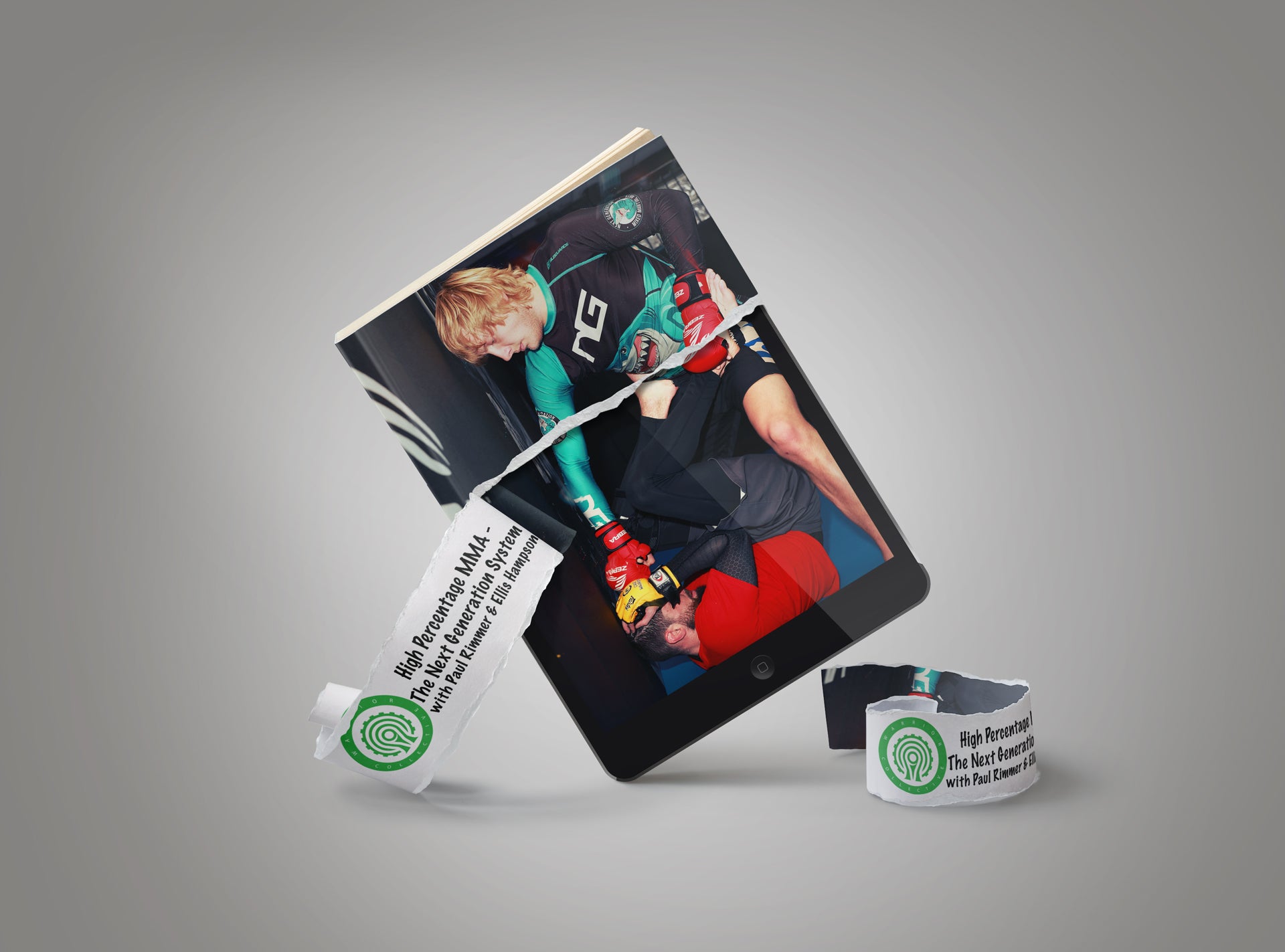
High Percentage MMA - The Next Generation Fighting System with Paul Rimmer & Ellis Hampson
High Percentage MMA - The Next Generation Fighting System with Paul Rimmer & Ellis Hampson
Couldn't load pickup availability



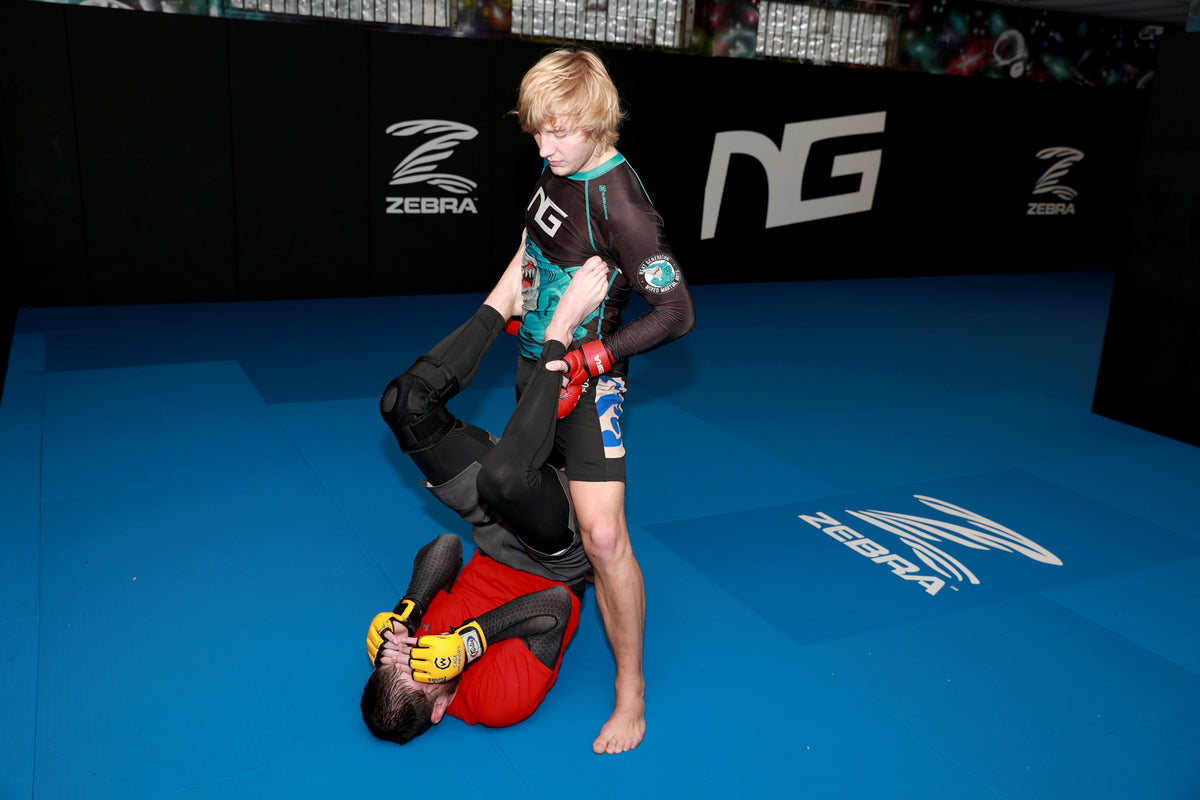

High Percentage MMA – The Next Generation Fighting System with Paul Rimmer & Ellis Hampson
MMA isn't won by collecting more techniques.
It's won by understanding which skills, positions and decisions consistently work when striking, wrestling and grappling collide.
In High Percentage MMA – The Next Generation Fighting System, Next Generation MMA Liverpool coaches Paul Rimmer and Ellis Hampson break down their complete MMA training system for developing fighters for modern competition.
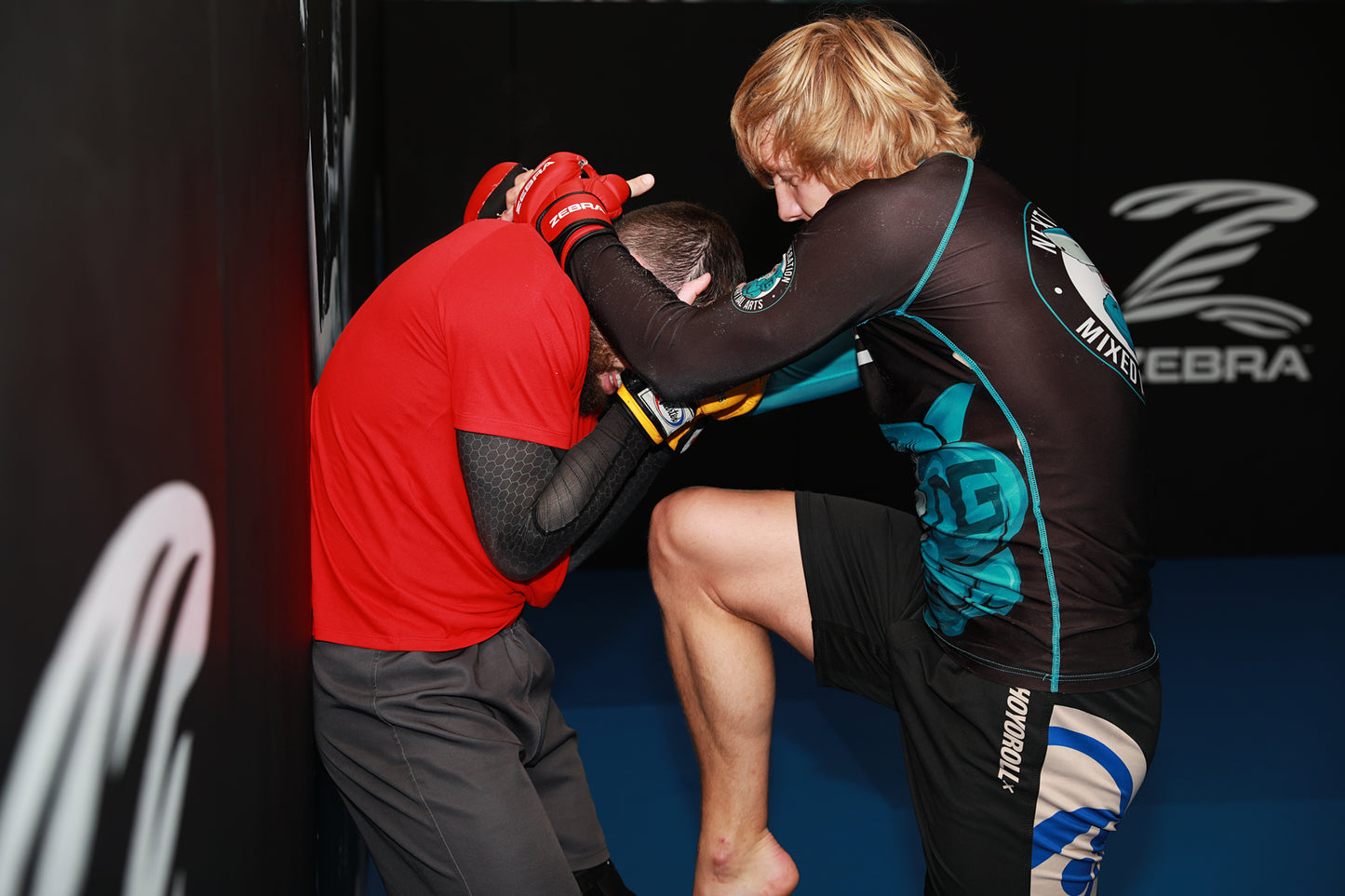
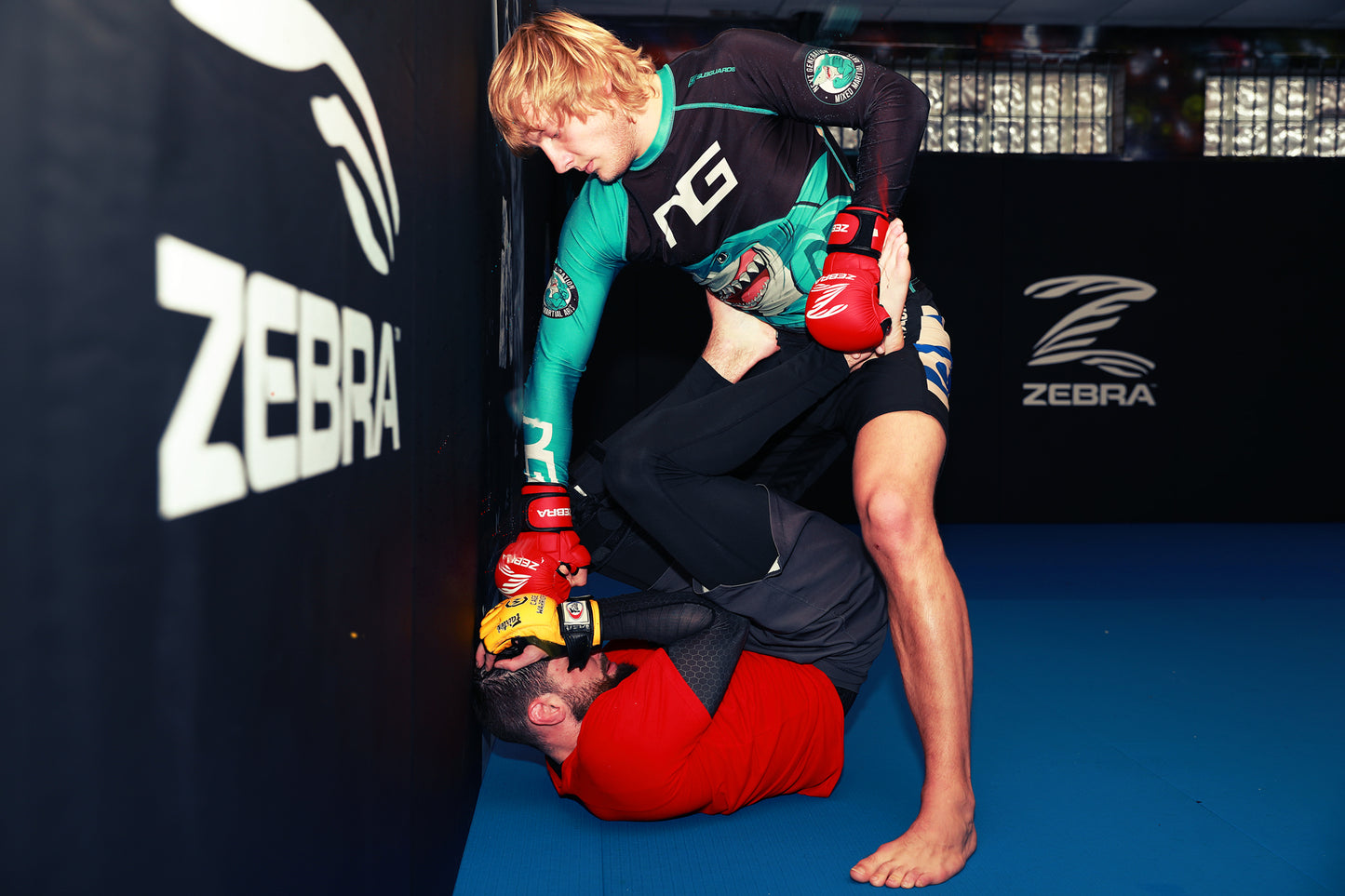
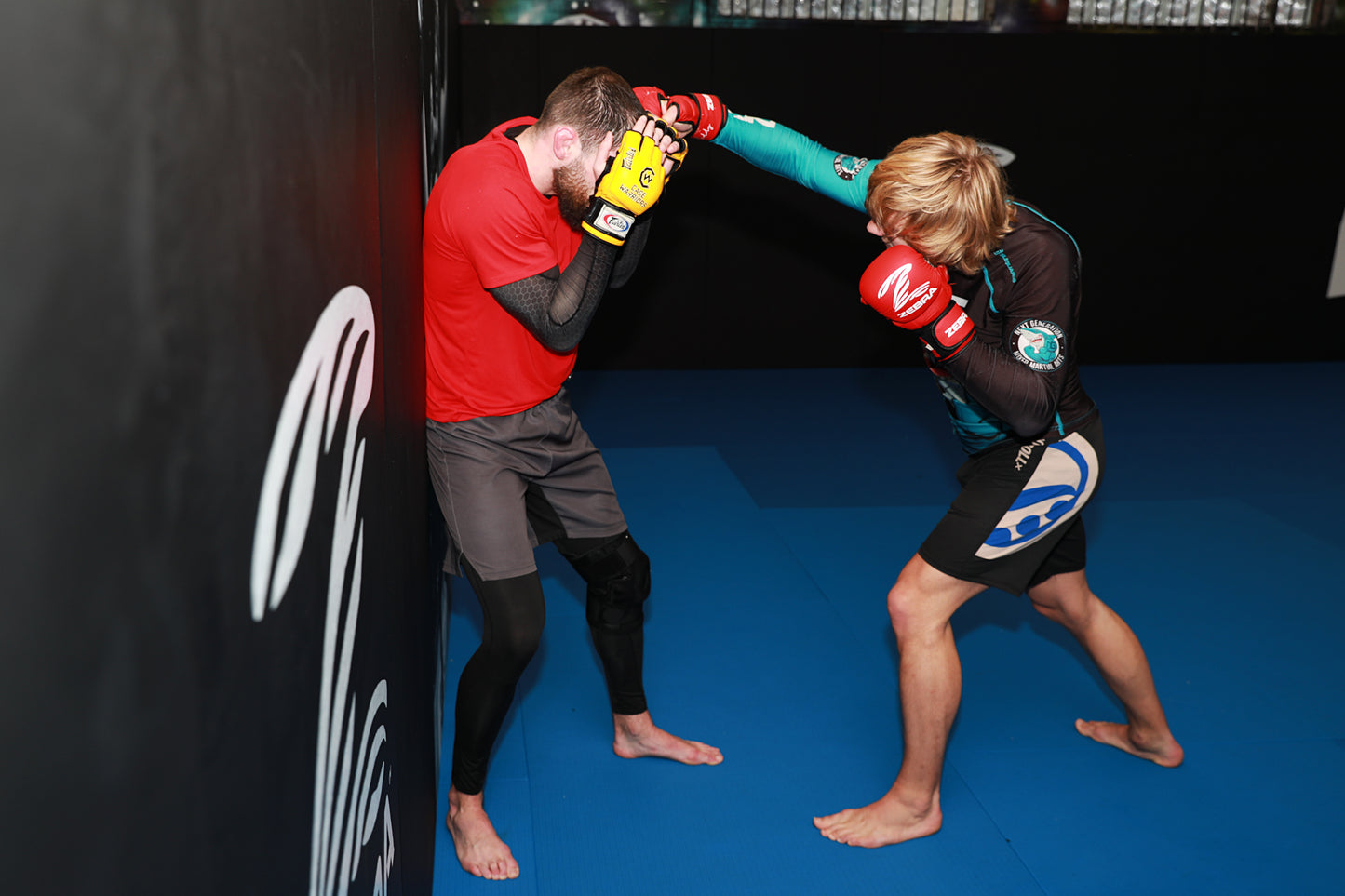
Demonstrated throughout by Next Generation professional fighters including UFC standout Paddy Pimblett and Cage Warriors fighter Adam Cullen, this full-length instructional provides a rare insight into the methodology behind one of Britain's most successful MMA gyms.
From fighting stance and range management through to cage wrestling, back takes, ground fighting, positional escapes and understanding how to actually win rounds, Paul and Ellis focus on one central objective:
Develop the highest-percentage skills for MMA — and understand when and where to use them.

MMA Training System for Every Range of the Fight
Modern MMA presents a unique problem.
Being a good striker isn't enough.
Being a good wrestler isn't enough.
And being a good Brazilian Jiu Jitsu practitioner isn't enough.
The athlete has to understand how those individual disciplines change when they are combined within MMA.
Where should you stand?
Which ranges are relatively safe — and which put you in immediate danger?
When should you use the cage?
Which grappling positions are worth pursuing?
How should your ground game change when strikes are involved?
And what actually matters when judges are deciding who won the round?
Throughout this instructional, Paul and Ellis break the fight down into a series of understandable ranges, positions and situations before showing how Next Generation fighters train to connect them together.
The result is not simply a collection of MMA techniques.
It is a framework for understanding the fight itself.

Learn from Next Generation MMA Liverpool
Next Generation MMA has been at the heart of the Liverpool MMA scene for more than two decades.
Founded by Paul Rimmer after periods spent training in the United States, the gym has developed from a small group of training partners into one of Britain's most recognised MMA teams.
Its fighters have progressed from the UK regional scene through Cage Warriors and ultimately onto the UFC stage.
Two of the most famous examples are Paddy Pimblett and Molly McCann, but the significance of Next Generation goes considerably deeper than producing individual stars.
The gym has developed a coaching culture based around continually analysing MMA competition, identifying what works and adapting the system as the sport evolves.
Rather than attempting to make every athlete fight in exactly the same way, the coaching team develops fighters around their individual attributes while ensuring they understand the fundamental skills and situations that repeatedly determine success in MMA.
High Percentage MMA provides a unique opportunity to study that approach in detail.
Paul Rimmer
Paul Rimmer is the founder and head coach of Next Generation MMA Liverpool and one of the most influential figures in the development of MMA and Brazilian Jiu Jitsu on Merseyside.
His martial arts development included significant periods training at the original Next Generation Fighting Academy in California under Chris Brennan, before returning to Liverpool and developing his own branch of Next Generation.
A Brazilian Jiu Jitsu black belt under Brennan, Paul became the first BJJ black belt on Merseyside and has subsequently spent decades developing fighters and grapplers.
His coaching career has taken athletes from their earliest stages of MMA through domestic competition, Cage Warriors and ultimately the UFC.
Among the fighters most closely associated with Paul and Next Generation are Paddy Pimblett and Molly McCann, whose contrasting styles also demonstrate an important part of Paul's coaching philosophy.
Rather than imposing one fixed Next Generation style on every athlete, the coaching team identifies what each fighter does particularly well and develops a system around those strengths.
The common thread isn't that every fighter looks the same.
It's that they understand how to fight MMA effectively.
Ellis Hampson
Ellis Hampson brings the experience of both fighter and coach to the Next Generation system.
A former professional MMA fighter and Brazilian Jiu Jitsu black belt, Ellis progressed into a major coaching role at Next Generation and has worked alongside Paul Rimmer in the development of the gym's professional fighters.
His experience competing in MMA provides an important perspective throughout this instructional.
Winning a fight isn't always about demonstrating the greatest number of techniques.
Fighters need to understand position, effective aggression, control, scoring, defensive responsibility and when taking a particular risk is actually worthwhile.
Together, Paul and Ellis have helped systemise these ideas into a progressive approach that can be trained repeatedly rather than left to chance on fight night.
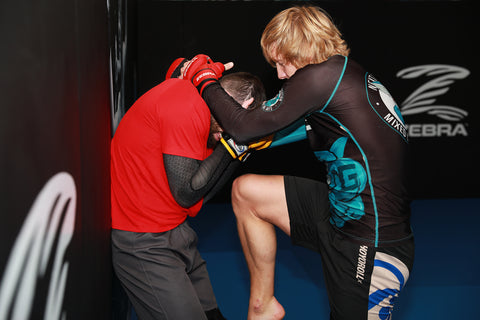
High Percentage MMA – The Next Generation Fighting System
This instructional starts with one of the most fundamental questions in MMA:
Where should you be during the fight?
From there, Paul and Ellis progressively explore how stance, range, cage positioning, wrestling and grappling interact.
The system moves from standing exchanges into the cage, through takedowns and positional control, onto the ground and ultimately towards finishing the fight.
Throughout the volume, Paddy Pimblett and Adam Cullen help demonstrate how these concepts are applied by professional fighters inside the Next Generation MMA system.
Rather than attempting to teach every possible response to every possible situation, the emphasis is on identifying high-percentage options that can be repeatedly trained and successfully applied under pressure.
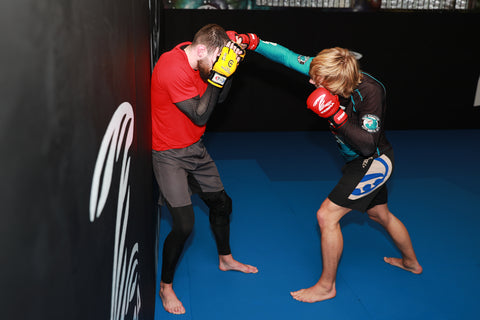
What You'll Learn
The Fighting Base
Everything starts with the position from which you fight.
Learn the Next Generation approach to developing an MMA fighting base that allows athletes to strike, defend takedowns, wrestle and move effectively without becoming overly committed to the stance of one individual martial art.
Rather than simply importing a Boxing, Muay Thai or wrestling stance into MMA, understand how your base needs to account for all of the threats present in the sport.
Understanding Fighting Range
Different ranges create different opportunities — and different dangers.
Paul and Ellis break down how Next Generation fighters understand distance and how their tactical priorities change as the range closes.
Learn to recognise when you're relatively safe, when attacks become increasingly likely and when you need to immediately respond.
The Amber Zone
Certain distances require heightened awareness because both fighters are moving towards ranges where significant attacks can occur.
The Next Generation Amber Zone gives fighters a framework for recognising these transitional moments and understanding the options available before an exchange becomes dangerous.
Develop better awareness rather than relying entirely on reactions once the attack has already started.
The Danger Zone
There are ranges in MMA where mistakes become particularly expensive.
Paul and Ellis explore how Next Generation fighters approach these high-risk positions, including the ranges where powerful striking exchanges and fight-changing attacks commonly occur.
Understand when to attack, when to move and when remaining static can put you in serious trouble.
Using the Cage Wall
The cage isn't simply the boundary of the fighting area.
Used correctly, it becomes another tactical tool.
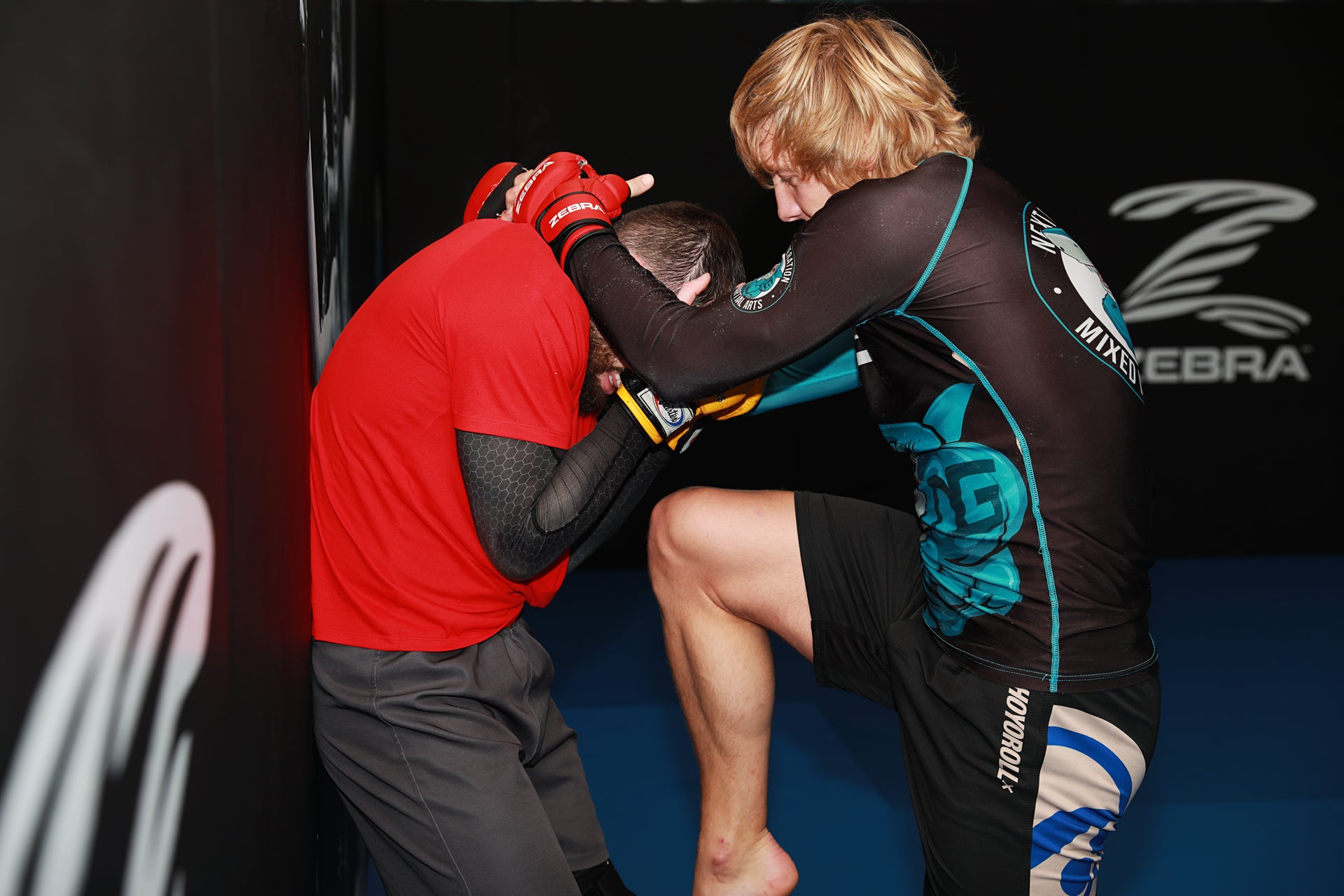
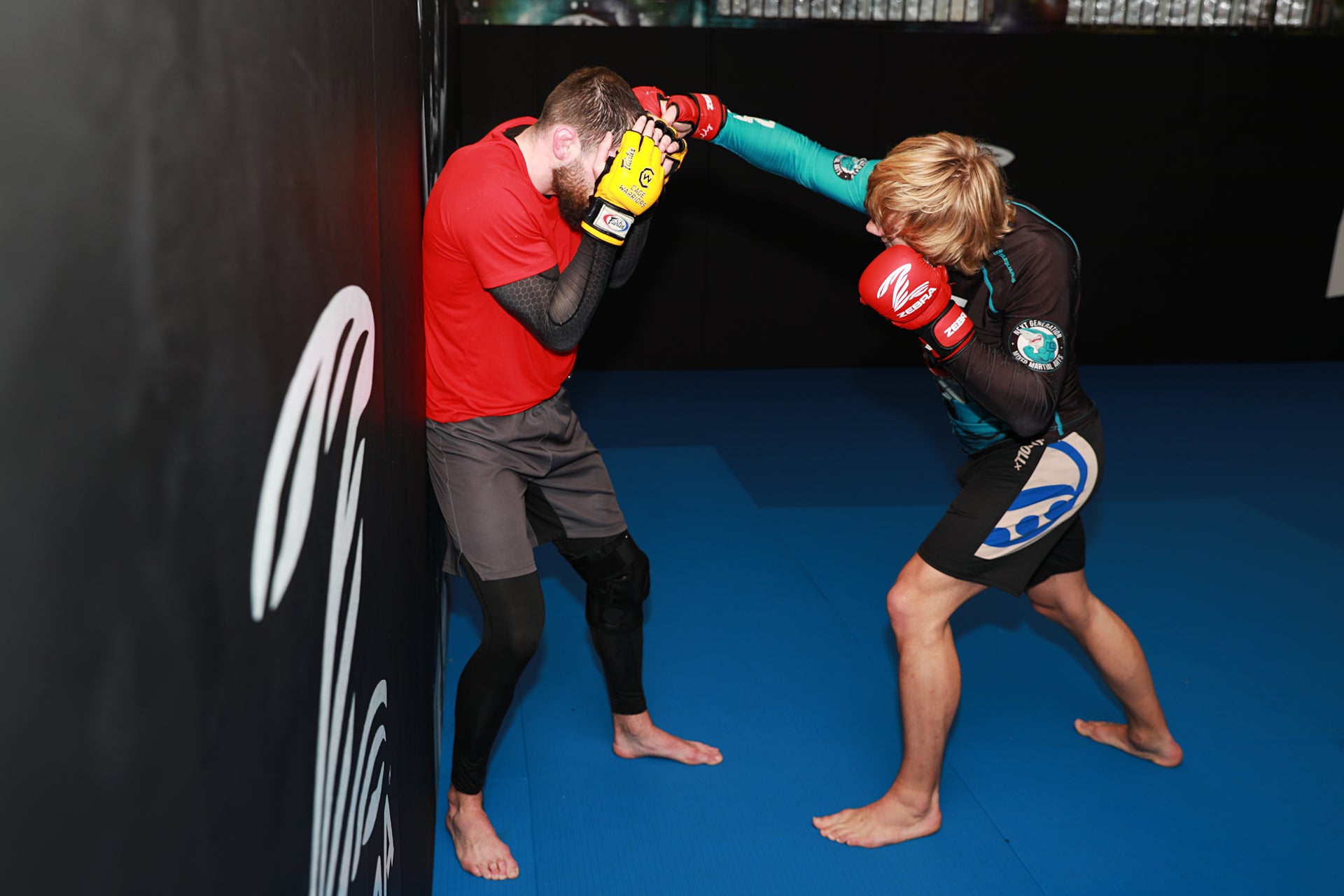
Learn how Next Generation fighters use the cage to control opponents, create takedown opportunities, defend wrestling attacks and connect different phases of the fight.
Wall Wrestling 101
Cage wrestling has become one of the defining skills of modern MMA.
Paul and Ellis introduce a structured wall-wrestling system covering the positional details required to attack and defend effectively against the cage.
Develop the ability to connect controls, pressure and takedowns rather than relying on isolated wrestling techniques.
Clinch, Hand Fighting & Control
Winning close-range exchanges often begins before the takedown itself.
Learn how hand controls, pressure and positioning can be used to restrict an opponent's options and create opportunities for your own attacks.
These concepts provide the bridge between striking range and the wrestling phase of MMA.
Mastering the Back Take
Next Generation fighters have repeatedly demonstrated the effectiveness of taking the back in competition.
In this section, Paul and Ellis break down the positions and decisions that allow fighters to progress towards one of MMA's most dominant attacking positions.
Rather than chasing the back recklessly, learn how control and opponent reactions can create the opportunity naturally.
Controlling the Fight
Being technically skilled and being capable of controlling an MMA fight are not always the same thing.
Learn how positioning, pressure and tactical decision-making can determine where the fight takes place and who is dictating the exchange.
The objective is to make your strongest areas easier to access while making the opponent's preferred game increasingly difficult to establish.
Groundwork for MMA
MMA grappling is not simply Brazilian Jiu Jitsu performed inside a cage.
Strikes, the cage, rounds, judging and the ability to return to the feet fundamentally change the priorities of many positions.
Paul and Ellis explain how Next Generation adapts grappling specifically for MMA competition.
Working from Bottom
Being underneath an opponent in MMA creates very different problems to being on your back in submission grappling.
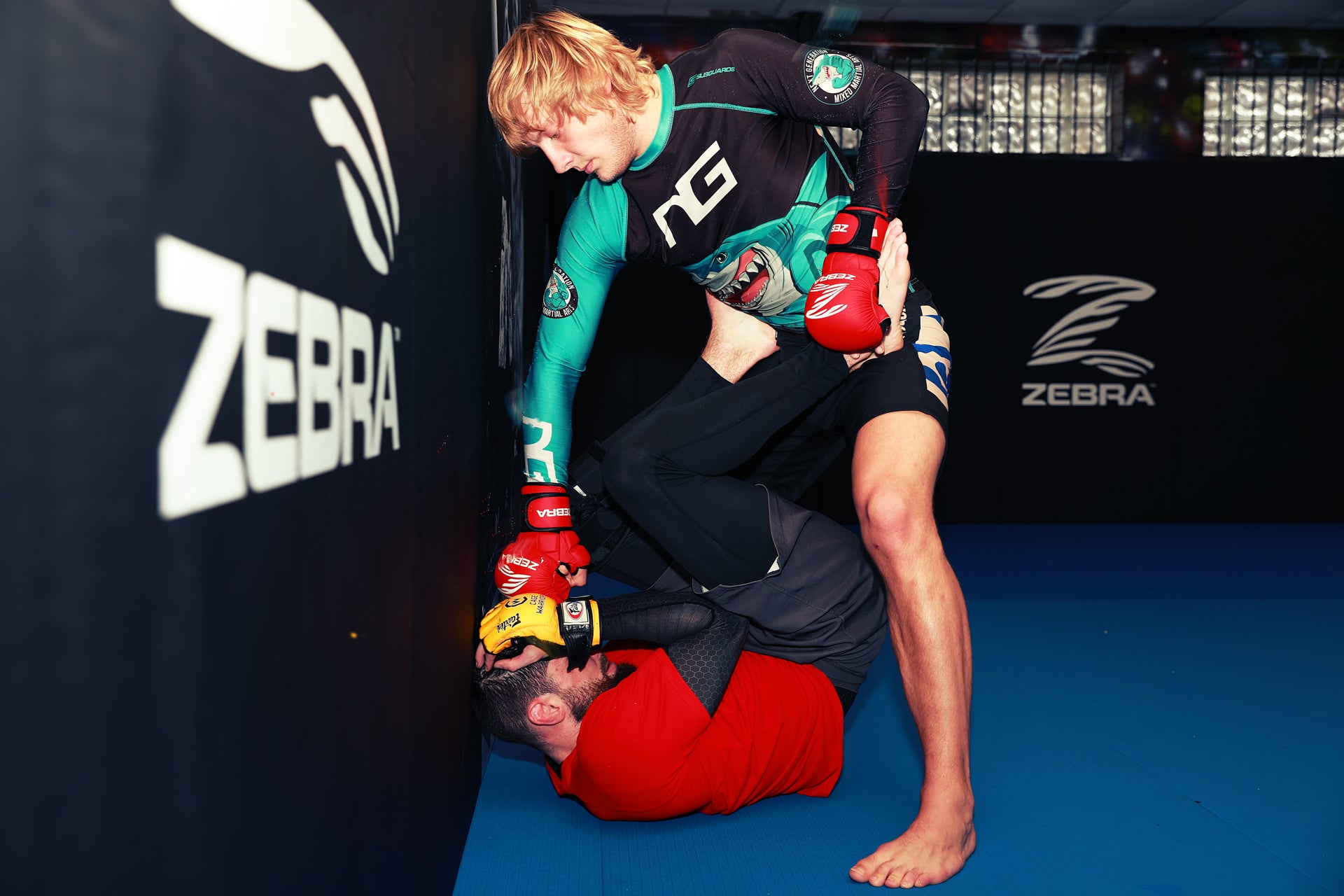
Learn how to remain defensively responsible, create opportunities and work towards improving position or returning to your feet while accounting for strikes.
The priority isn't simply to become comfortable on the bottom.
It's to understand how to fight your way out of it.
Avoiding Bad Positions
One of the simplest ways to improve an MMA fighter is to reduce the amount of time they spend making low-percentage decisions.
Paul and Ellis strip the fight back to identify the positions, strikes and submissions that repeatedly work at high levels of competition.
Learn how to structure training around high-value situations rather than collecting unnecessary techniques.
MMA vs Brazilian Jiu Jitsu
Brazilian Jiu Jitsu is an essential component of MMA — but the objectives of the two sports are different.
Understand how the presence of strikes, the cage and judging changes positional priorities and why some strategies that work extremely well in pure grappling need to be adapted for MMA.
For fighters and BJJ coaches transitioning into MMA, this distinction is particularly important.
MMA Sparring & Skill Development
Full MMA sparring shouldn't be the first time individual skills are connected together.
Learn how Next Generation progressively layers striking, wrestling and grappling drills so athletes develop the ability to transition between phases before applying those skills under increasingly realistic pressure.
The goal is to make MMA development progressive rather than chaotic.
Finishing on the Ground
Dominant position should ultimately create opportunities to finish.
Explore how Next Generation fighters connect positional control with effective ground attacks and submissions.
The emphasis remains consistent with the rest of the instructional:
Establish the position, understand the opponent's likely response and use that reaction to progress towards the finish.
Fighting to Win
Being exciting and being effective are not always the same thing.
Paul and Ellis examine what judges and referees actually reward and how fighters can make tactically intelligent decisions throughout a contest.
Understand the importance of effective attacks, takedowns, positional control, defensive success and creating genuine finishing opportunities.
Don't simply train to compete.
Learn how to train to win.

More Than a Collection of MMA Techniques
The real value of High Percentage MMA isn't the number of techniques contained within the instructional.
It's the framework connecting them.
Base determines movement.
Range determines the available attacks.
Position determines control.
Control creates opportunities.
Good decisions reduce unnecessary risk.
And understanding how all of those elements interact allows fighters to become considerably more effective when striking, wrestling and grappling are combined.
This is why the Next Generation system isn't built around making every athlete fight identically.
Paddy Pimblett and Molly McCann provide an obvious example.
One has historically been particularly dangerous through aggressive grappling and submissions.
The other built much of her success around aggressive striking.
Different fighters. Different strengths.
But the same underlying requirement to understand the positions, ranges and decisions that determine success in MMA.
Train the System Used by Next Generation's Professional Fighters
One of the most valuable aspects of this instructional is that these aren't theoretical systems created specifically for filming.
They are concepts developed and refined within the training environment at Next Generation MMA Liverpool.
Throughout the volume, professional fighters Paddy Pimblett and Adam Cullen demonstrate drills and techniques taken directly from the system.
Pimblett progressed through the UK MMA scene to become a Cage Warriors World Champion before establishing himself in the UFC, while Cullen developed through Next Generation into the professional ranks and Cage Warriors.
It gives fighters and coaches the opportunity to study not only what Paul Rimmer and Ellis Hampson teach, but how those ideas are actually trained by competitive MMA athletes.

Who Is This Instructional For?
High Percentage MMA – The Next Generation Fighting System is ideal for:
MMA fighters wanting a clearer framework for connecting their striking, wrestling and grappling.
Amateur and professional competitors looking to make better tactical decisions and concentrate their training around high-percentage situations.
MMA coaches wanting progressive systems and drills they can incorporate into fighter-development programmes.
Brazilian Jiu Jitsu practitioners transitioning into MMA who need to understand how grappling priorities change when strikes and the cage are introduced.
Strikers moving into MMA who need to adapt their stance, range and movement to account for wrestling and grappling threats.
And serious martial artists who want to understand how one of Britain's leading MMA teams approaches the process of developing complete fighters.
Exclusive Next Generation MMA Instructional Content
Next Generation MMA's success has made its coaching methodology increasingly interesting to fighters and coaches around the world.
Yet detailed instructional material from inside the gym has historically been extremely difficult to access.
High Percentage MMA – The Next Generation Fighting System is the only full-length Warrior Collective instructional filmed with Paul Rimmer and Ellis Hampson, providing exclusive access to the systems, drills and concepts used within the Next Generation professional training environment.
With Paddy Pimblett and Adam Cullen demonstrating throughout, it offers a rare opportunity to study the methodology behind one of the UK's most recognised MMA teams.
Build a Game for MMA – Not Separate Martial Arts
MMA isn't Boxing plus Wrestling plus Brazilian Jiu Jitsu.
It's what happens between them.
The stance that lets you punch but still defend the takedown.
The range where striking becomes wrestling.
The control that turns a takedown into a back take.
The decision to escape from bottom rather than play guard.
The ability to recognise when you're winning a position — and when you're unnecessarily risking it.
Those transitions and decisions are where complete MMA fighters are developed.
High Percentage MMA – The Next Generation Fighting System gives fighters and coaches a structured framework for understanding them.
Don't simply collect more techniques.
Learn how to fight MMA.
Frequently Asked Questions
What is high-percentage MMA?
High-percentage MMA means concentrating training around the techniques, positions and tactical decisions that consistently work in Mixed Martial Arts competition.
Rather than trying to learn every possible technique, fighters develop reliable skills for the situations they are most likely to encounter — including striking range, cage wrestling, takedowns, positional control, ground fighting and submissions.
Paul Rimmer and Ellis Hampson's system takes this idea further by helping fighters understand how those individual areas connect during an MMA fight.
How should you train for MMA?
Effective MMA training needs to develop more than striking, wrestling and Brazilian Jiu Jitsu separately.
Fighters need to learn how to transition between those disciplines.
That means understanding how striking changes when takedowns are possible, how wrestling changes when the cage is introduced and how grappling changes when an opponent can strike.
The Next Generation system progressively connects these different phases so fighters learn to train specifically for MMA rather than simply collecting skills from separate martial arts.
What are the best MMA training drills?
The best MMA drills are those that develop skills which transfer effectively into actual competition.
Rather than repeatedly drilling techniques without context, fighters should understand the position, range or problem the drill is designed to address.
Useful examples include range-management drills, striking-to-wrestling transitions, cage-wrestling drills, positional escapes, back-taking sequences and progressive MMA sparring.
Paul Rimmer and Ellis Hampson use these types of structured drills to progressively connect individual skills into complete MMA.
How important is range management in MMA?
Range management is fundamental because different distances create completely different threats.
At long range a fighter may primarily need to account for kicks and movement. As the distance closes, punches, takedowns, clinching and wrestling become increasingly important.
Understanding these transitions allows fighters to recognise when they are relatively safe, when they can attack and when they are entering a dangerous range.
The Next Generation Fighting System uses concepts including the Amber Zone and Danger Zone to help fighters develop this awareness.
What is wall wrestling in MMA?
Wall wrestling is the process of using wrestling, positioning, pressure and control when one or both fighters are against the cage.
The cage changes traditional wrestling because it can prevent movement, provide additional support and create opportunities for both attacking and defending takedowns.
Effective wall wrestling therefore requires fighters to understand head position, hand fighting, pressure, underhooks, balance and how to connect different takedown and control options.
High Percentage MMA introduces a structured wall-wrestling framework designed specifically for MMA competition.
How important is cage wrestling in modern MMA?
Cage wrestling has become an essential component of modern MMA.
It allows fighters to control opponents, create takedowns, defend takedown attempts and dictate where parts of the fight take place.
Importantly, fighters need to learn how to use the cage both offensively and defensively.
Paul Rimmer and Ellis Hampson therefore treat the cage as part of the fighting environment rather than simply the boundary surrounding it.
What is the difference between MMA grappling and Brazilian Jiu Jitsu?
Brazilian Jiu Jitsu provides many of the grappling skills used in MMA, but the objectives and risks can be significantly different.
In MMA, fighters must account for strikes, the cage, rounds, judging and the possibility of an opponent simply standing back up.
A position that is acceptable in submission grappling may therefore be much less desirable when punches and elbows are involved.
High Percentage MMA explores these differences and shows how grappling needs to be adapted specifically for MMA competition.
Should MMA fighters fight from their back?
MMA fighters need to be capable of defending themselves and creating opportunities from bottom position, but remaining underneath an opponent for extended periods can carry significant risks.
The top fighter may be able to strike, control position and influence the judges while the bottom fighter is forced to defend.
For this reason, the Next Generation system places importance on understanding when to attack from the bottom, when to improve position and when the priority should be getting back to the feet.
The objective isn't simply to become comfortable on your back. It's to understand how to fight effectively when you end up there.
How do you improve MMA Fight IQ?
MMA Fight IQ develops by learning to recognise situations, understand risk and make appropriate tactical decisions under pressure.
This requires more than simply accumulating technical knowledge.
Fighters should progressively train range recognition, positioning, transitions, scoring awareness and situational decision-making, then test those skills through increasingly realistic drills and sparring.
The High Percentage MMA system helps simplify this process by giving fighters frameworks for understanding where they are in the fight and which options are most appropriate from that position.
How should you spar for MMA?
MMA sparring should be progressively developed rather than relying exclusively on unrestricted full-rules rounds.
Fighters can first isolate particular situations — such as striking into takedowns, cage wrestling or escaping from bottom — before gradually increasing the number of available options.
This allows athletes to develop specific skills and decision-making without every session immediately becoming a full fight.
Paul Rimmer and Ellis Hampson use progressive skill layering to help Next Generation fighters connect their striking, wrestling and grappling before applying everything together in complete MMA sparring.
Is this MMA instructional suitable for coaches?
Yes. High Percentage MMA – The Next Generation Fighting System is particularly valuable for coaches because Paul Rimmer and Ellis Hampson teach a structured methodology rather than simply demonstrating individual MMA techniques.
The instructional provides concepts and drills covering fighting stance, range management, cage wrestling, back takes, groundwork, bottom position, MMA sparring, positional awareness and tactical decision-making.
Coaches can use these frameworks to help structure technical sessions, situational sparring and longer-term fighter development.
Does Paddy Pimblett feature in this MMA instructional?
Yes. Paddy Pimblett appears throughout High Percentage MMA demonstrating the techniques, drills and systems taught by Paul Rimmer and Ellis Hampson.
Paddy developed through Next Generation MMA Liverpool before becoming a Cage Warriors World Champion and progressing to the UFC.
His involvement provides an opportunity to see how elements of the Next Generation Fighting System are trained and applied by one of the gym's most successful professional fighters.
Who is Paul Rimmer?
Paul Rimmer is the founder and head coach of Next Generation MMA Liverpool.
After spending significant periods training at the original Next Generation Fighting Academy in California under Chris Brennan, Paul returned to Liverpool and developed his own Next Generation academy.
A Brazilian Jiu Jitsu black belt under Brennan, he has spent more than two decades developing MMA fighters and grapplers, including UFC stars Paddy Pimblett and Molly McCann.
Who is Ellis Hampson?
Ellis Hampson is a former professional MMA fighter, Brazilian Jiu Jitsu black belt and long-standing coach at Next Generation MMA Liverpool.
Working alongside Paul Rimmer and the wider Next Generation coaching team, Ellis has played an important role in developing the systems used to prepare the gym's competitive fighters.
His experience as both a fighter and coach provides a particularly valuable perspective on the tactical and technical demands of MMA competition.
Is this the official Next Generation MMA instructional?
High Percentage MMA – The Next Generation Fighting System was filmed directly with Next Generation coaches Paul Rimmer and Ellis Hampson, with professional fighters Paddy Pimblett and Adam Cullen demonstrating the material.
The instructional provides an in-depth look at the drills, concepts and systems used within the Next Generation MMA training environment.
For fighters and coaches unable to train at the Liverpool academy itself, it provides a rare opportunity to study Next Generation's approach to developing MMA athletes in detail.
Below is an extract from the volume. This clip is from the Pro Teams Bonus Content