



WarriorCollective
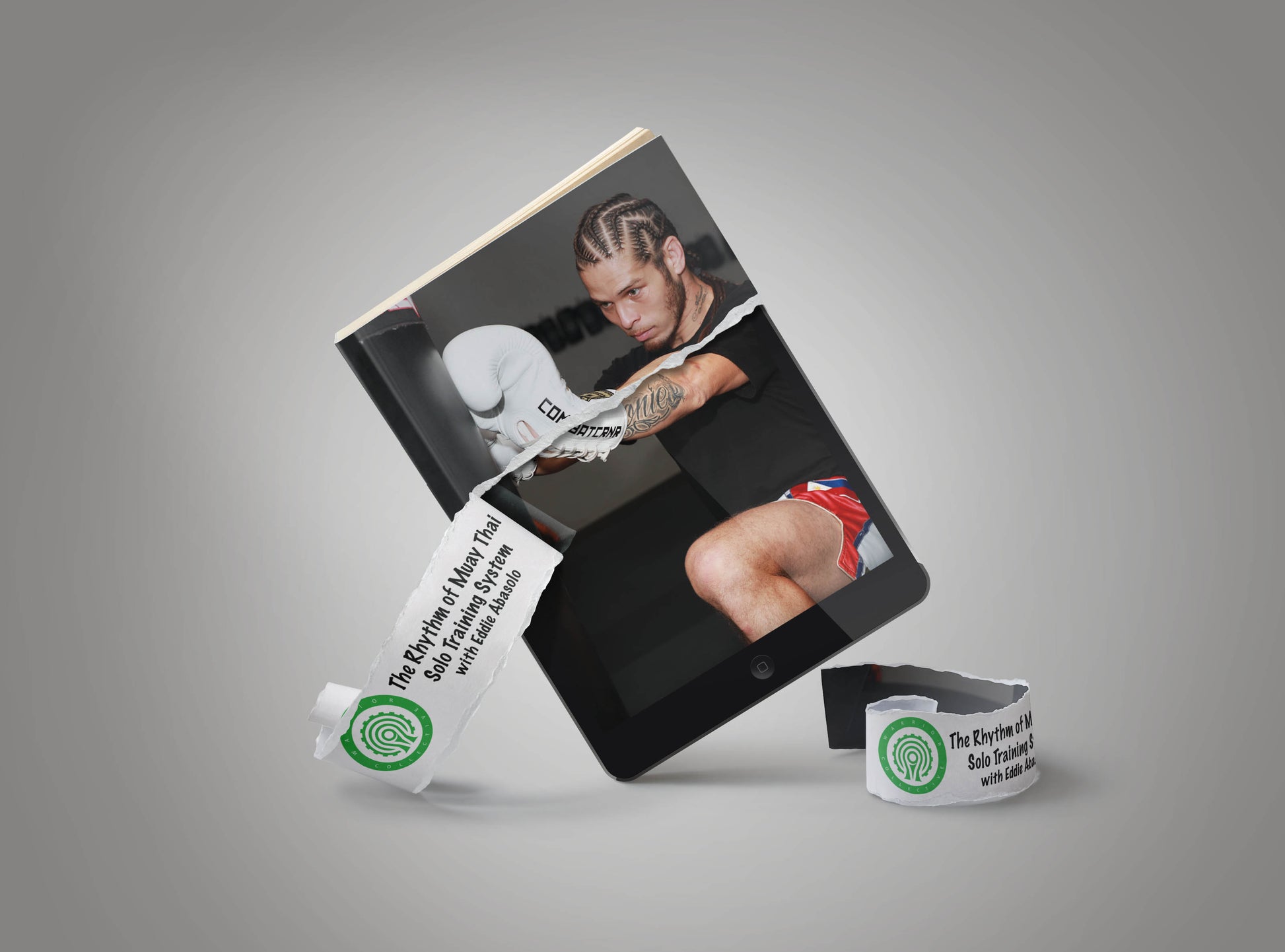
The Rhythm of Muay Thai Solo Training System with Eddie Abasolo
The Rhythm of Muay Thai Solo Training System with Eddie Abasolo
Couldn't load pickup availability

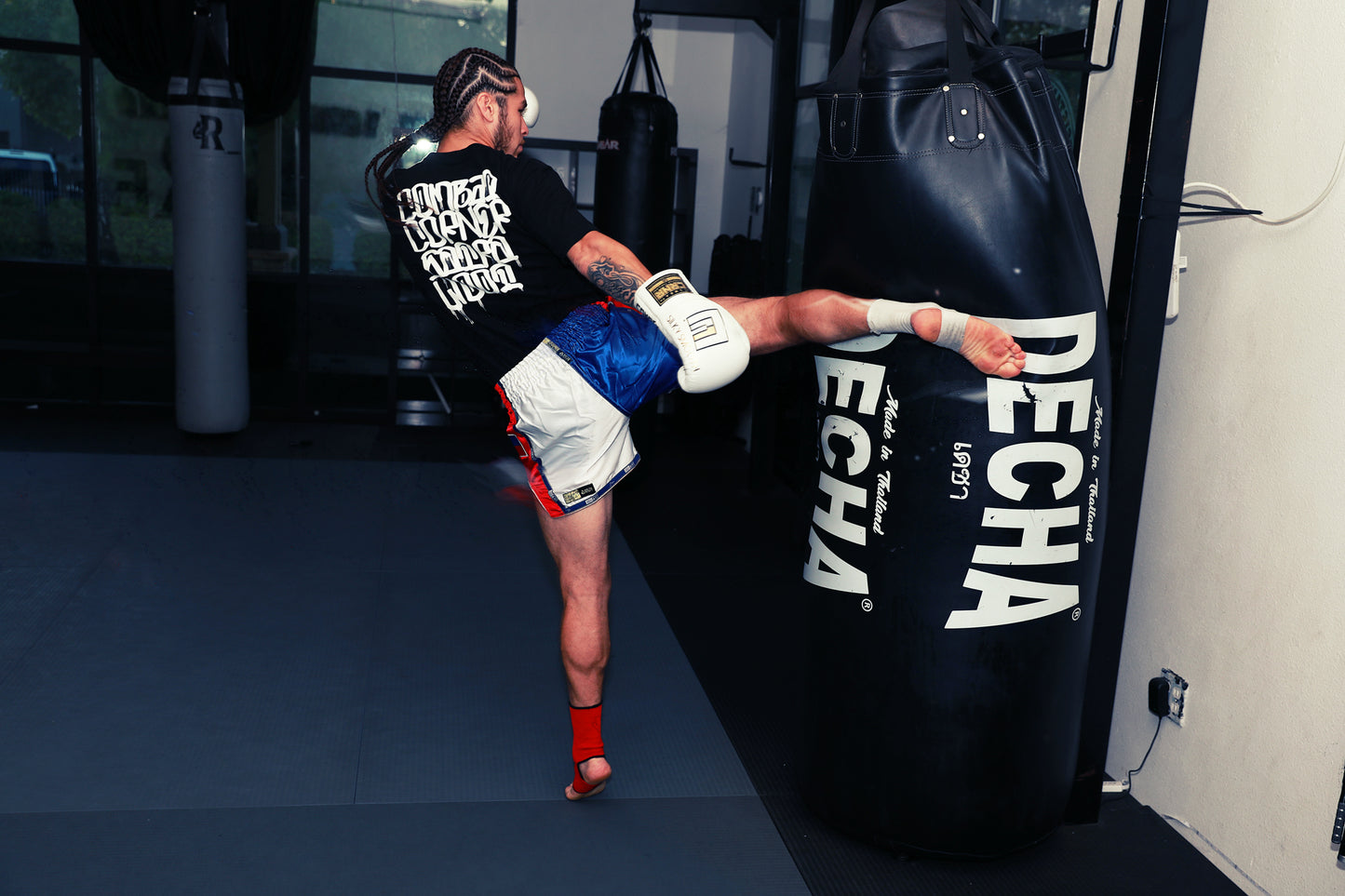
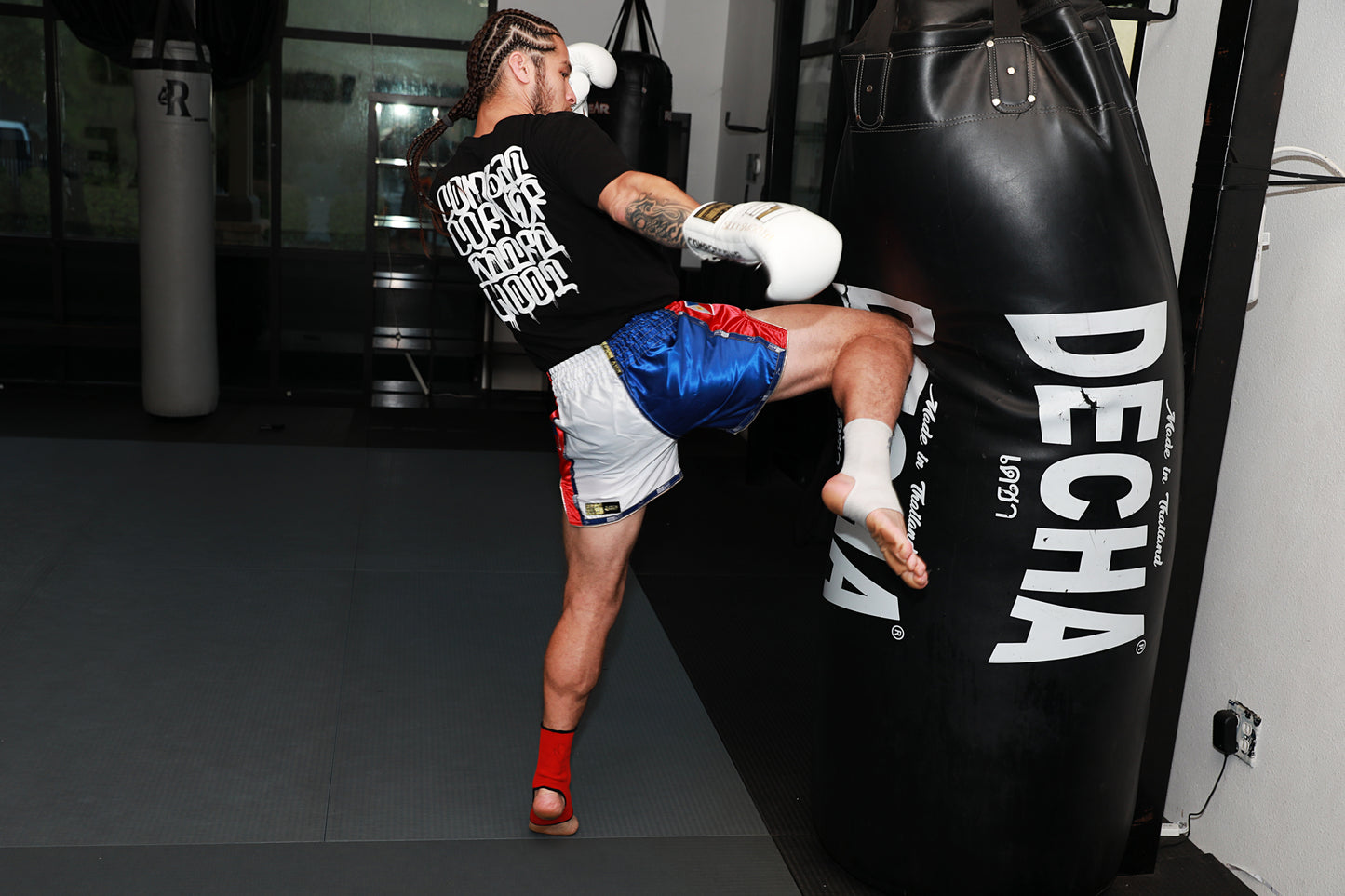
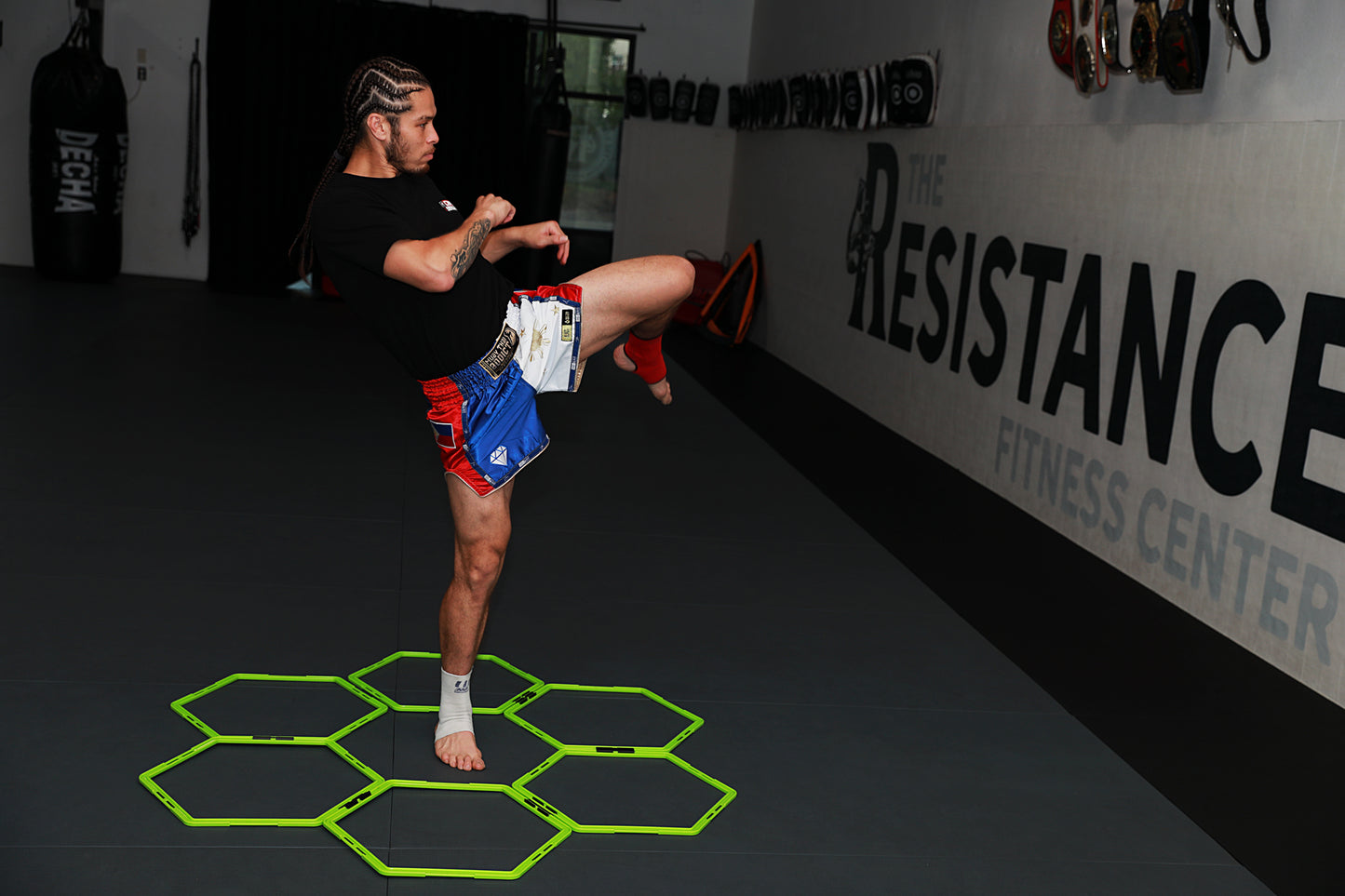
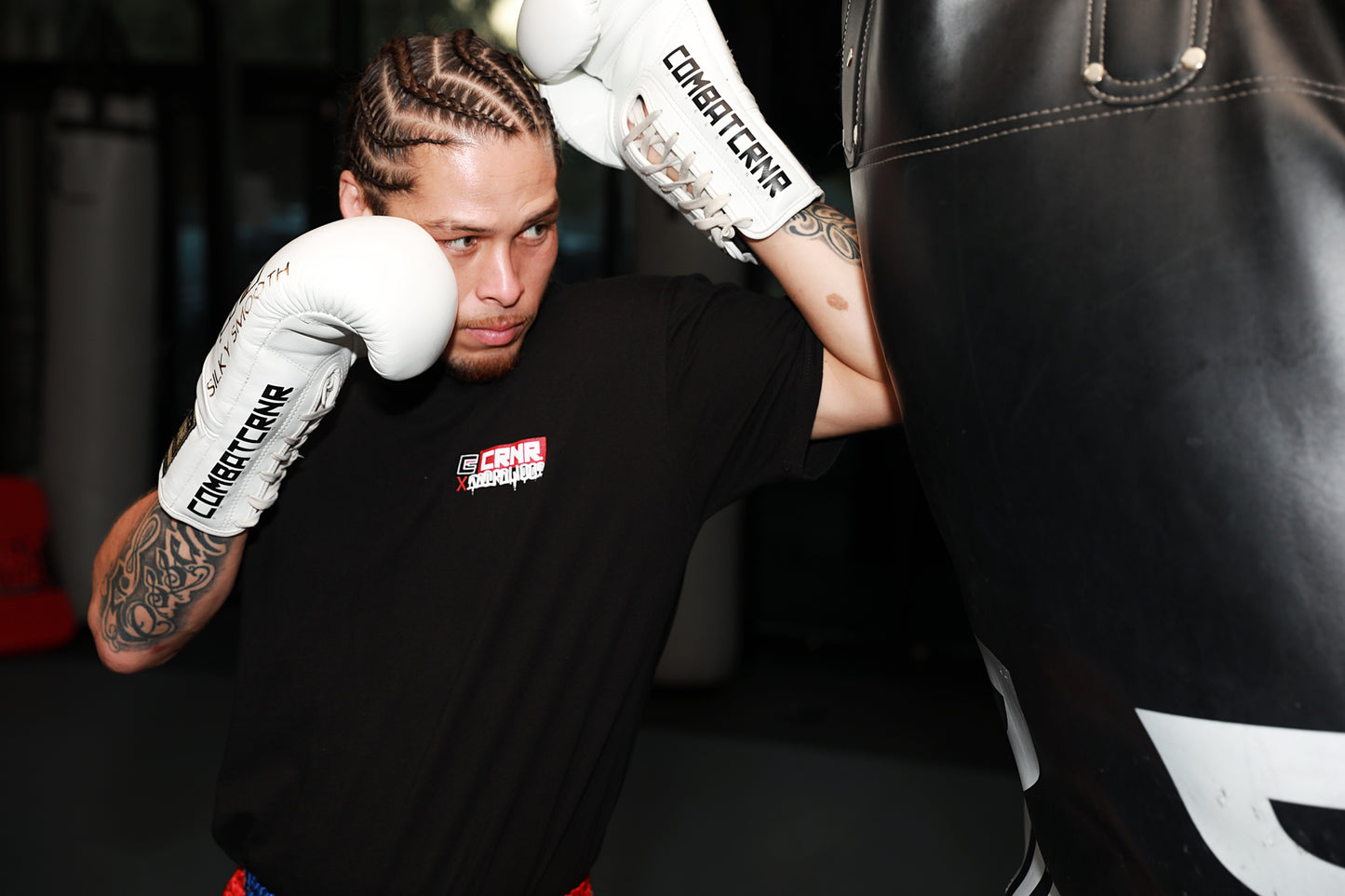


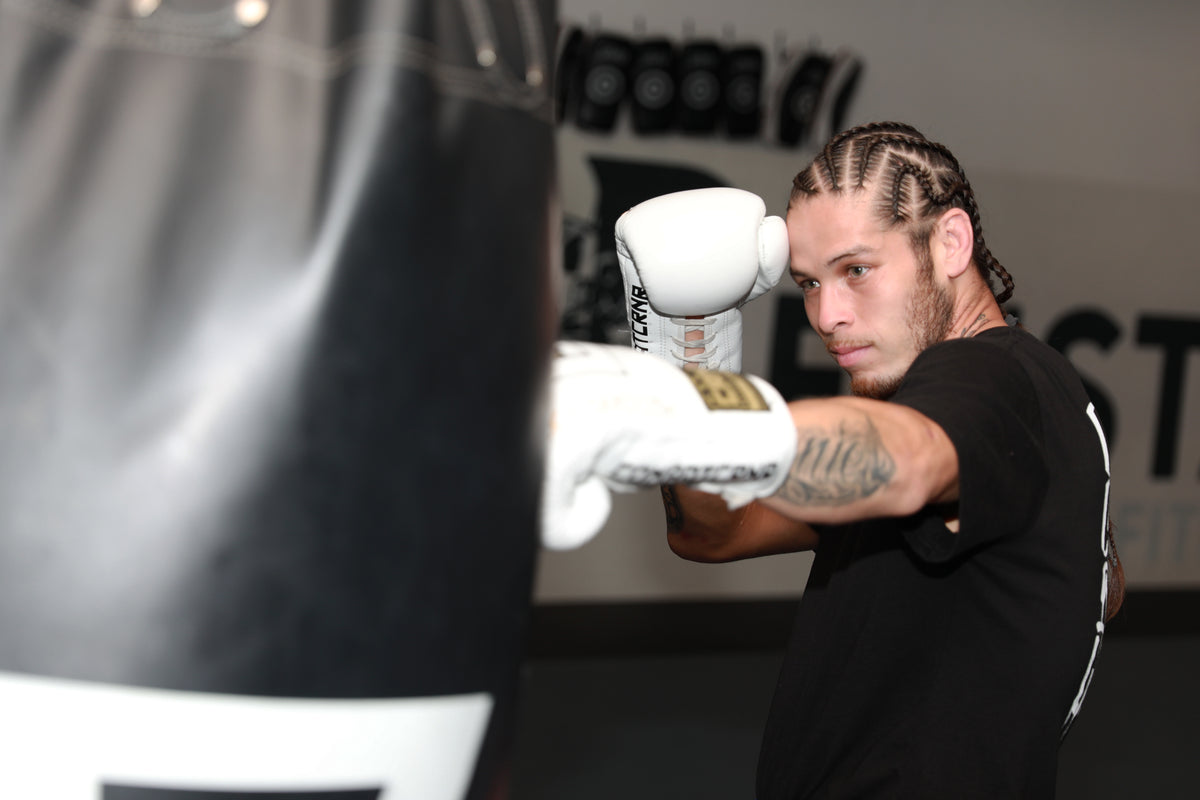
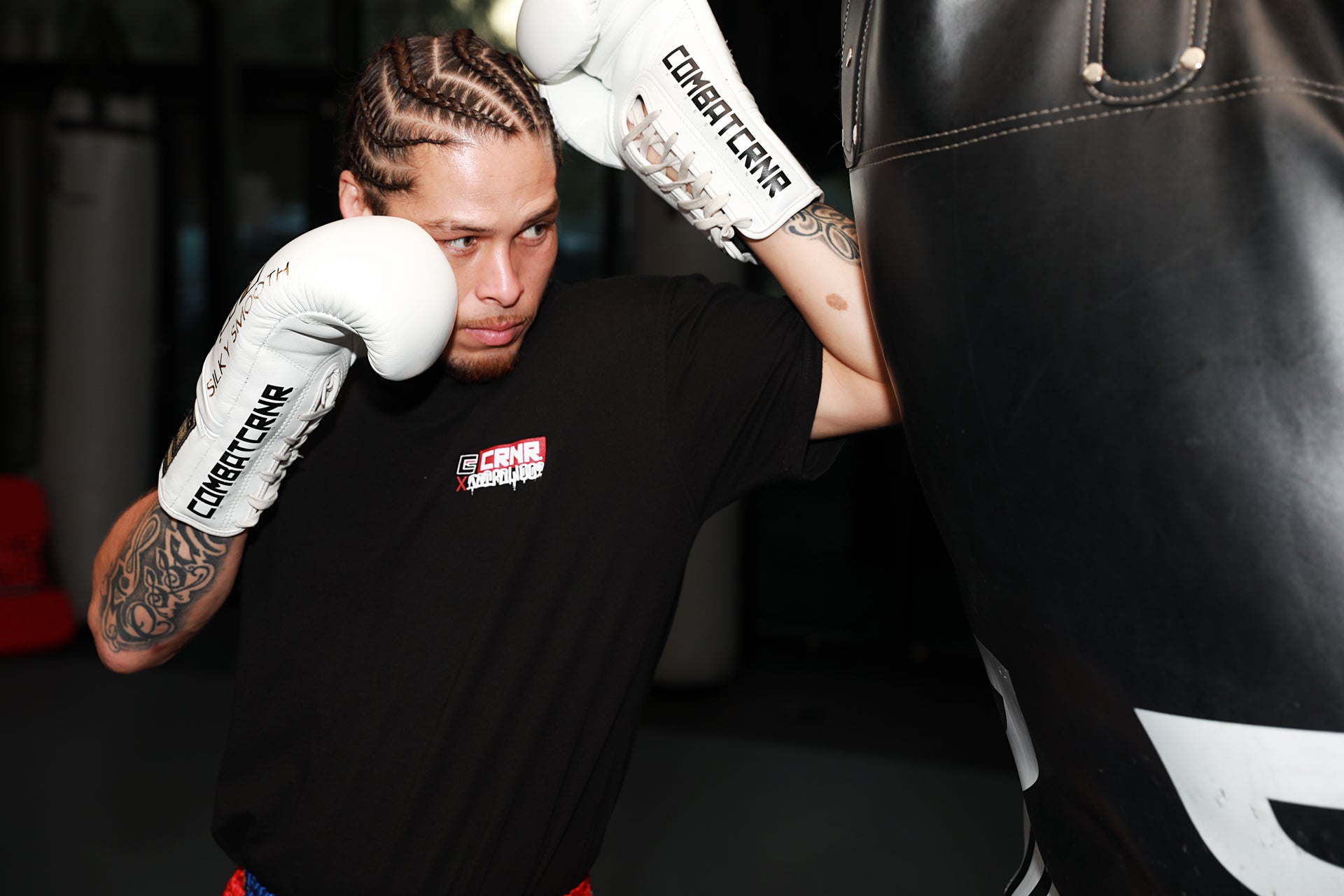
The Rhythm of Muay Thai Solo Training System with Eddie Abasolo
Develop Your Muay Thai Rhythm, Movement, Footwork & Timing – Training on Your Own
Effective Muay Thai solo training isn't simply about repeating more techniques.
It's about being able to move, react, change rhythm, create angles and connect your techniques together without becoming predictable.
Few fighters demonstrate this better than Eddie “Silky Smooth” Abasolo.
Known for his fluid, unconventional fighting style, Eddie has built his approach to Muay Thai around movement, rhythm, agility and timing. Rather than simply showing individual techniques, he breaks down the movement patterns and underlying concepts that allow those techniques to flow naturally together.
In The Rhythm of Muay Thai Solo Training System, Eddie takes that approach and turns it into a complete training framework you can practise largely on your own.
Through progressive movement drills, shadow Boxing, footwork, defensive work, technical development and bag training, you'll learn how to make your solo Muay Thai training more purposeful — and develop skills that transfer directly into sparring and fighting.
This isn't simply a collection of combinations.
It's a system for learning how to move like a fighter.

Learn Muay Thai from Eddie “Silky Smooth” Abasolo
Eddie Abasolo is a World Champion Muay Thai fighter, elite-level coach and ONE Championship athlete from California.
His distinctive fighting style has earned him the nickname “Silky Smooth” — an appropriate description for a fighter known for his fluid movement, changing rhythms, unusual angles and ability to make adjustments during exchanges.
Eddie's approach is particularly interesting because he doesn't treat movement as something separate from striking.
Movement creates the strike.
Rhythm creates the opening.
Timing determines when you exploit it.
And rather than simply demonstrating what he does naturally, Eddie has developed an exceptional ability to break these concepts into movements, patterns and drills that other fighters can actually practise.
That's what makes this instructional different.
You're not being asked to copy Eddie Abasolo.
You're learning the underlying principles that allow you to develop your own movement, rhythm and flow.
A Muay Thai Solo Training System – Not Just a Workout
Training alone presents a problem.
Without a coach holding pads or a partner reacting to you, it's very easy for solo training to become repetitive.
You hit the bag.
You shadow box.
You practise combinations.
You get tired.
But are you actually becoming a better fighter?
Eddie approaches solo training differently.
Every drill has a technical purpose.
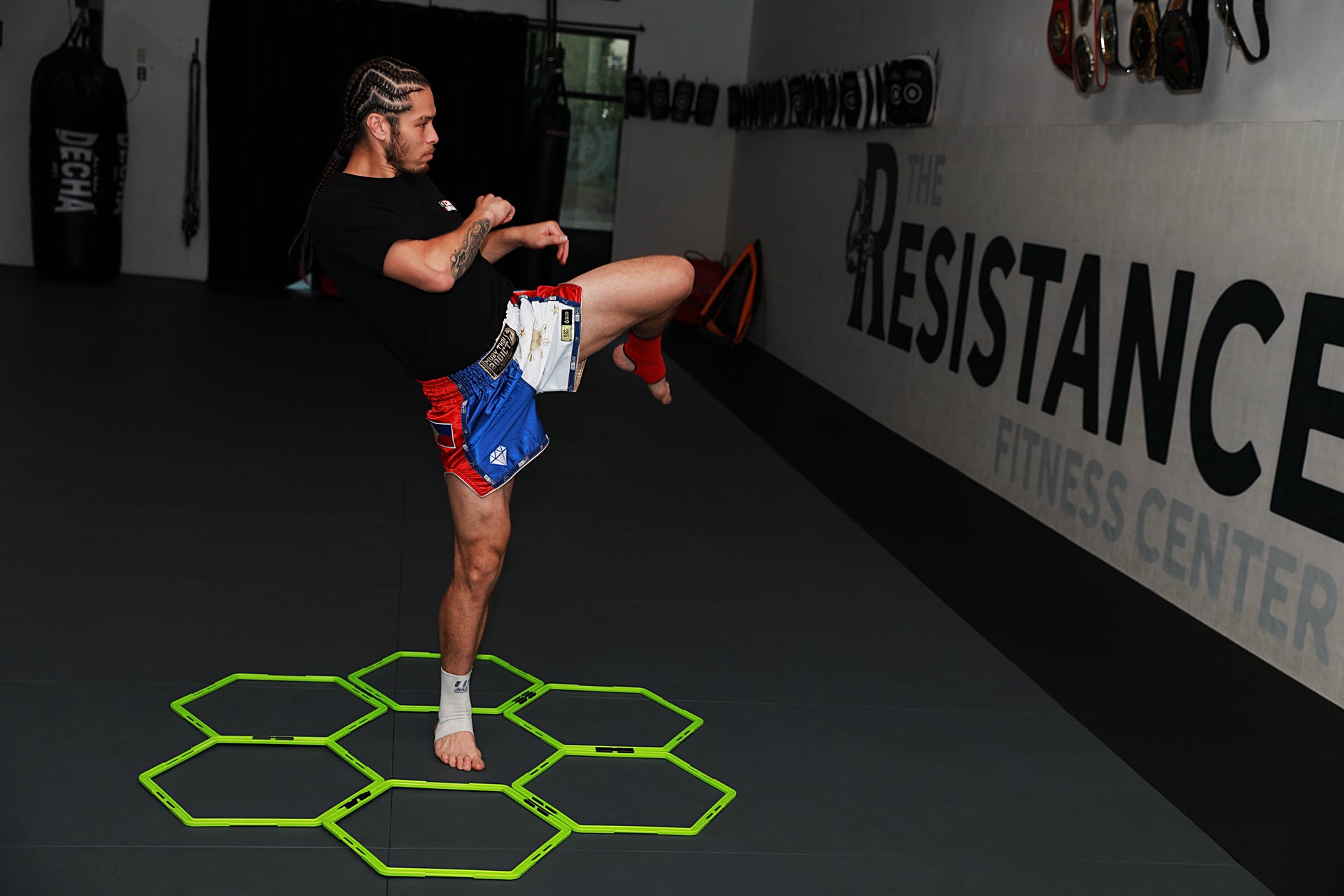
Footwork develops positioning.
Position creates angles.
Rhythm changes the timing of your attacks.
Defensive movements are incorporated alongside offence.
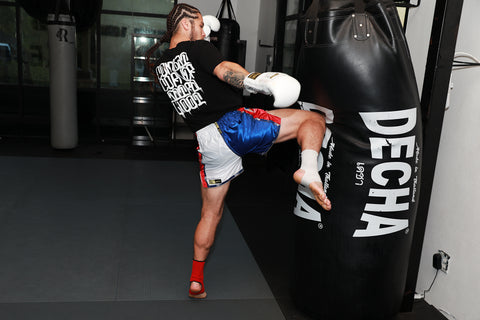
Bag work becomes an opportunity to practise movement rather than simply hitting harder.
Shadow Boxing becomes a way of solving imaginary problems rather than throwing combinations into empty space.
The result is a system designed to help you become a more coordinated, adaptable and intelligent striker, even when you don't have a training partner available.
Develop the Rhythm of Fighting
Rhythm is one of the defining characteristics of Eddie's fighting style.
But rhythm doesn't mean moving continuously at one speed.
In fact, effective fighting often requires the opposite.
You need to understand when to:
Move → Pause → Attack
Slow → Accelerate
Enter → Exit → Re-enter
Show one rhythm → Break it with another
An opponent who understands your rhythm can begin anticipating what comes next.
A fighter who can deliberately change that rhythm becomes much harder to read.
Throughout the instructional, Eddie shows how movement drills can help you develop a better understanding of your own natural rhythm while learning how to change pace, direction and timing.
The goal isn't movement for movement's sake.
It's movement that creates opportunities.
Build Footwork That Actually Connects to Fighting
Footwork is often trained separately from striking.
Eddie connects the two.
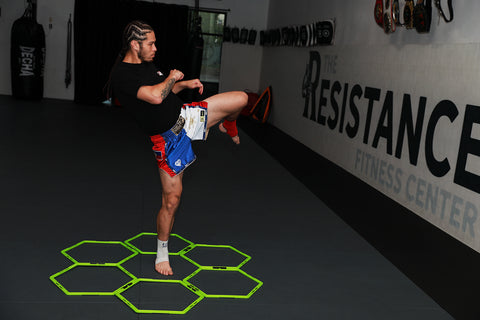
Instead of simply practising movement patterns around the floor, you'll learn how your footwork influences:
- Attacking range
- Defensive range
- Entries and exits
- Angles
- Stance changes
- Combination flow
- Inside and outside fighting
- Counterattacking opportunities
Eddie also explores movement from both orthodox and southpaw positions, helping you understand how stance and positioning can change the available angles.
The result is footwork with a purpose.
You're not simply learning where to put your feet.
You're learning why you need to move there.
What You'll Learn
Understanding Rhythm – Find Your Natural Fighting Flow
Develop a clearer understanding of rhythm and how it affects movement, striking and decision-making.
Eddie breaks down ways of finding your own rhythm before showing how changes in tempo can make your attacks less predictable.
Movement Systems – Connect Your Feet to Your Striking
Learn progressive movement drills designed to make your striking feel more fluid at different ranges.
Rather than standing in front of an imaginary opponent and simply throwing combinations, you'll begin connecting movement to everything you do.
Footwork Systems – Move With Purpose
Develop structured footwork patterns for both orthodox and southpaw positions.
Learn how footwork can help create entries, exits, angles and opportunities to attack rather than simply moving around your opponent.
Outside Agility – Control Range and Create Angles
Develop the agility required to operate effectively at longer range.
Use movement patterns to enter, attack, exit and reposition while making yourself increasingly difficult to pin down.
Phone Booth Fighting – Become Comfortable on the Inside
Movement doesn't stop when the distance closes.
Eddie introduces a series of drills for developing your ability to work at close range, where smaller movements, positional adjustments and defensive awareness become increasingly important.
Technical Development – Make Your Striking Smoother
Learn how Eddie develops the mechanics, reach, speed and flow of his striking through repetition and movement.
The objective isn't simply to throw individual techniques correctly.
It's to make them connect naturally.
Defensive Structure – Train Defence as Much as Offence
Solo training can easily become dominated by attacking.
Eddie deliberately builds defensive movements into his drills so you're developing defensive habits alongside your offence.
This creates a much more realistic approach to shadow Boxing and bag work.
Bag Work Flow – Stop Treating the Heavy Bag Like a Punching Machine
The heavy bag is one of the best tools available for solo Muay Thai training — if you use it properly.
Eddie shows how to combine rhythm, footwork and positioning around the bag so you're not simply standing directly in front of it throwing combinations.
Move.
Create angles.
Defend.
Reposition.
Attack again.
The bag becomes an opponent you move around rather than just a target you hit.
Working Angles – Attack From Better Positions
Learn how to use different bags and movement patterns to practise creating angles on both offence and defence.
Instead of continually attacking along the same line, Eddie develops the ability to reposition before, during and after combinations.
Body Shots in Muay Thai – Attack Without Losing Position
Explore the mechanics and positioning required to land effective body punches within Muay Thai.
Eddie breaks down how body shots can fit naturally alongside the other weapons available in the sport rather than being treated purely as Boxing techniques.
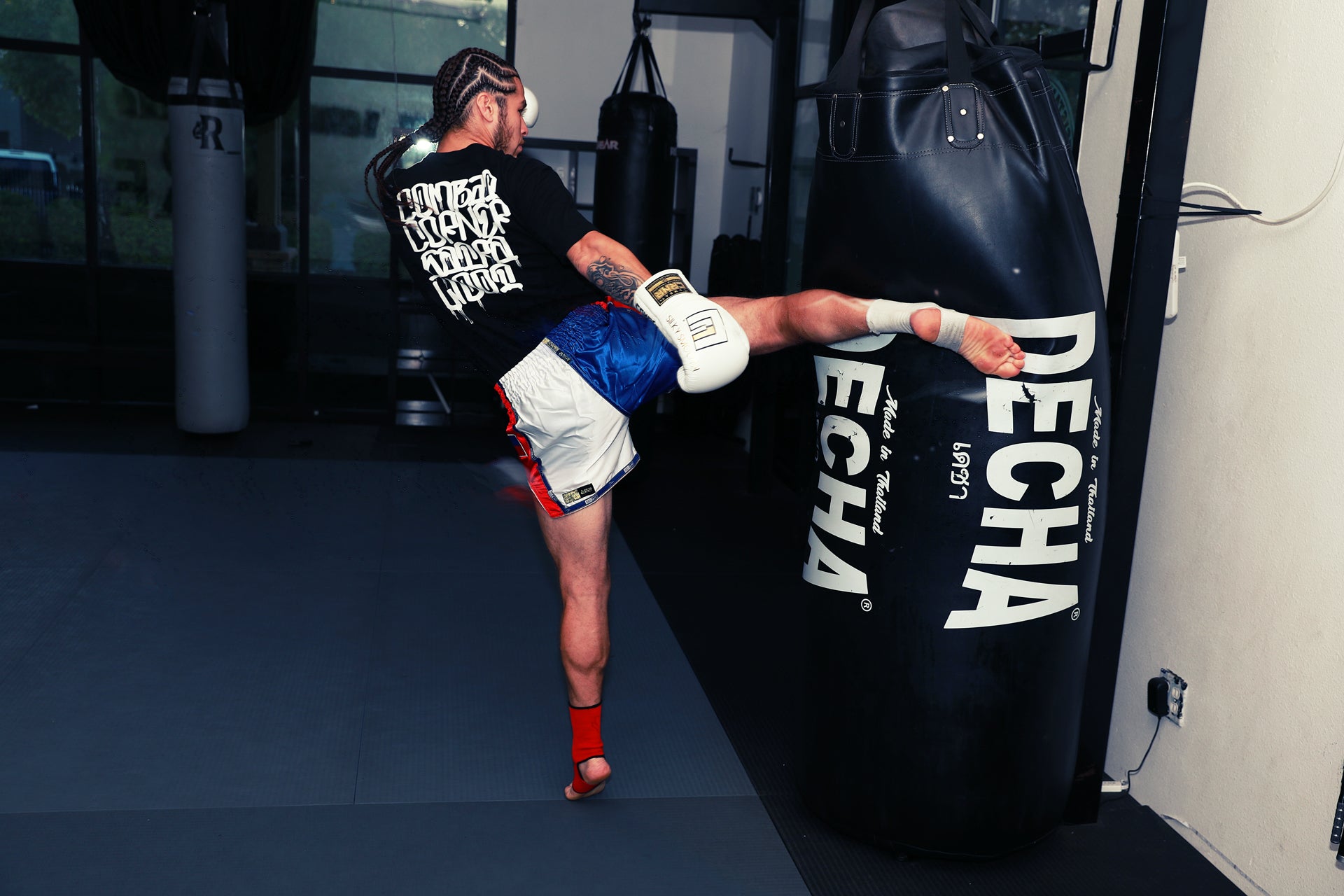
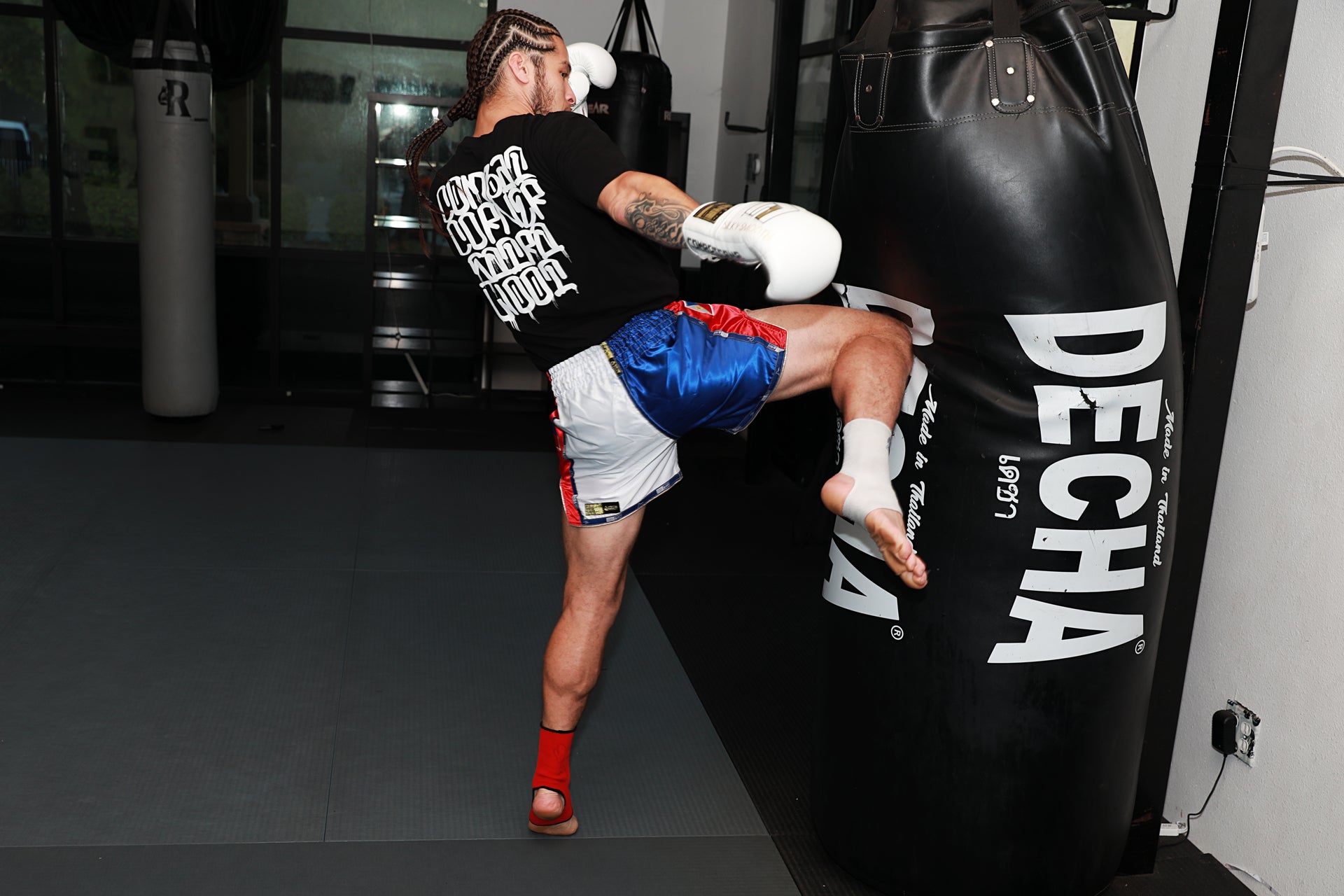
Kick Development – Build Better Kicks and Knees
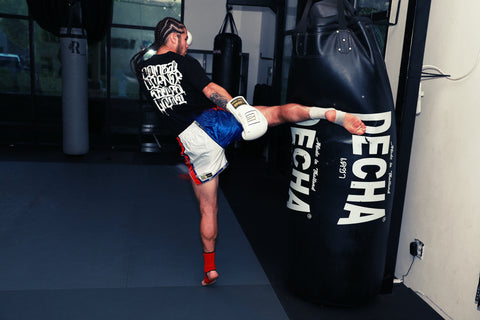
Use Eddie's progressive drills to improve the movement, coordination and mechanics behind your kicks and knees.
Rather than viewing each technique in isolation, you'll learn how your lower-body attacks connect to stance, movement and rhythm.
Creating Your Flow – Connect Everything Together
This is where the individual elements begin becoming a complete system.
Footwork connects to rhythm.
Rhythm connects to striking.
Striking connects to defence.
Defence creates movement.
Movement creates another attack.
The aim is to remove the feeling that you're performing isolated techniques and replace it with continuous, purposeful movement.
Timing as a Weapon – Learn When to Attack
Speed matters.
Power matters.
But without timing, both can be wasted.
Eddie breaks down how movement and rhythm influence timing and how developing your own timing can help you recognise and exploit opportunities against an opponent.
The better you understand rhythm, the easier it becomes to recognise when somebody else's rhythm can be broken.
Head Movement System – Become Harder to Find
Learn how head movement can be incorporated into your wider defensive structure without becoming disconnected from your Muay Thai stance and striking.
The objective isn't simply to make punches miss.
It's to use defensive movement while remaining in position to respond.
Bonus Content
Additional training concepts and drills expand upon Eddie's overall approach to movement, timing, defence and technical development.

Movement, Rhythm and Agility – Eddie Abasolo's Fighting Philosophy
What makes Eddie's approach so useful is that movement, rhythm and agility aren't treated as separate skills.
They influence everything else.
Imagine two fighters who know exactly the same techniques.
Both can jab.
Both can kick.
Both can knee.
Both can defend.
The difference may be the fighter who understands how to move into position, when to attack and how to change the rhythm of the exchange.
That's the layer Eddie is trying to develop.
His system helps you move beyond simply asking:
“What technique should I throw?”
and towards:
“How do I create the position and timing that makes that technique work?”
That is a much deeper level of striking development.

Turn Shadow Boxing Into Deliberate Practice
Shadow Boxing is one of the most accessible training methods in martial arts.
It is also one of the easiest to waste.
Without structure, it's possible to spend round after round moving and throwing techniques without actually developing anything specific.
Eddie's system gives your solo rounds purpose.
Instead of randomly shadow Boxing, you can dedicate rounds to:
Rhythm
Footwork
Entries and exits
Angle creation
Defensive movement
Inside fighting
Head movement
Timing
Stance transitions
Flow
These elements can then be layered together as your movement becomes more natural.
That makes this instructional particularly valuable for anyone who regularly trains away from their gym.

Who Is This Muay Thai Solo Training Instructional For?
The Rhythm of Muay Thai Solo Training System is particularly suited to:
- Muay Thai fighters wanting to improve movement, rhythm and timing
- Practitioners who regularly train alone
- Fighters wanting more productive shadow Boxing sessions
- Anyone wanting to improve footwork and agility
- Fighters who feel stiff or predictable when sparring
- Muay Thai practitioners wanting to create better angles
- Kickboxers looking to develop more fluid movement
- MMA strikers interested in rhythm, footwork and range
- Coaches looking for structured solo drills for their students
- Fighters wanting to make their bag work more technical
- Experienced martial artists looking to develop greater flow and adaptability
You don't need to fight like Eddie Abasolo to benefit from the system.
The purpose is to take the concepts behind Eddie's movement and use them to develop your own style.

How to Train Muay Thai on Your Own More Effectively
There are plenty of Muay Thai instructionals that teach techniques and combinations.
This volume solves a different problem:
How do you continue developing as a fighter when you're training on your own?
You don't always have access to pads.
You don't always have a training partner.
You can't always spar.
But you can work on:
Movement.
Balance.
Footwork.
Rhythm.
Defence.
Angles.
Technique.
Timing.
Flow.
And if those elements improve, the benefits can carry directly into your partner training, sparring and fighting.
For anyone who spends significant time training Muay Thai alone, this is one of the most practically useful instructional systems in the Warrior Collective library.
Frequently Asked Questions
Can you train Muay Thai on your own?
Yes. Although partner training, pad work, sparring and coaching are essential parts of developing complete Muay Thai skills, there is a huge amount you can improve through structured solo training.
Footwork, movement, balance, rhythm, technique, defence, shadow Boxing, bag work, angles and timing can all be developed independently.
The Rhythm of Muay Thai Solo Training System gives you a structured framework for working on these areas so your solo sessions become deliberate technical practice rather than simply repeating techniques.
What is the best way to train Muay Thai alone?
Effective Muay Thai solo training should have a specific purpose rather than simply trying to recreate a normal class without a partner.
Eddie Abasolo's approach combines movement drills, footwork, shadow Boxing, defensive movements, technical repetition and bag work.
Individual skills are developed first before being connected together through rhythm and movement.
The objective is to improve qualities that transfer back into your pad work, sparring and fighting when you return to partner training.
Do I need a heavy bag for this Muay Thai solo training system?
No. Many of the drills can be practised using only enough space to move and shadow box.
A heavy bag does add another valuable layer to the system, and Eddie includes specific sections on bag work flow, creating angles and using different types of bags.
You can therefore begin using many of the concepts without equipment and incorporate the bag-work sections whenever you have access to one.
Is shadow Boxing good for improving Muay Thai?
Yes — when it has structure.
Shadow Boxing allows you to work on technique, footwork, balance, defence, positioning, rhythm and transitions without needing a partner.
The problem is that it can easily become repetitive if you're simply moving around and throwing random combinations.
Eddie's system gives shadow Boxing a specific purpose by isolating areas such as rhythm, footwork, entries, exits, angles, defence, head movement and timing before gradually connecting them together.
How can I improve my Muay Thai footwork?
Muay Thai footwork improves through purposeful repetition combined with an understanding of why you're moving.
Rather than learning footwork patterns independently of striking, Eddie connects movement to attacking range, defensive range, entries, exits, angle creation and combination flow.
The instructional also explores movement from both orthodox and southpaw positions, helping you develop greater coordination and understand how changing your position changes the opportunities available to you.
How do I improve my rhythm in Muay Thai?
Developing rhythm isn't simply about moving continuously or trying to look fluid.
A fighter needs to become comfortable changing speed, tempo, direction and timing.
Eddie uses progressive movement and striking drills to help you recognise your natural rhythm before learning how to deliberately change it.
This allows you to move, pause, accelerate, attack and reposition with greater purpose — making your striking less predictable.
Why is rhythm important in Muay Thai?
Rhythm influences when you move, attack, defend and counter.
If you continually attack with the same timing and tempo, experienced opponents can begin predicting what comes next.
Changing rhythm can disrupt those expectations.
Eddie's approach connects rhythm, movement and timing, helping you understand not only which technique to use but how to create the moment in which that technique is most likely to succeed.
How can I become more fluid when striking?
Fluid striking comes from connecting your movement and techniques rather than treating every strike as an isolated action.
Eddie's training system develops the transitions between footwork, defence, punches, kicks, knees and changes of position.
As those transitions become more natural, combinations can begin to flow without unnecessary pauses or resets.
The objective isn't to copy Eddie Abasolo's individual fighting style, but to use his training principles to develop greater flow within your own.
Is this instructional suitable for beginners?
Yes, although it will also provide considerable value to intermediate and advanced practitioners.
Beginners can use the drills to develop strong foundations in movement, balance, footwork and technique, while more experienced fighters can explore the deeper concepts of rhythm manipulation, timing, stance changes, angle creation and flow.
The system is progressive, allowing you to revisit the same concepts at increasingly sophisticated levels as your Muay Thai develops.
Is this instructional suitable for experienced Muay Thai fighters?
Yes. In fact, experienced fighters may particularly appreciate Eddie's approach because the instructional goes beyond simply teaching individual Muay Thai techniques.
The focus is on the qualities that connect techniques together: movement, rhythm, agility, timing, positioning and adaptability.
These are areas that can make a significant difference once a fighter already possesses a solid technical foundation.
Is this useful for Kickboxing or MMA fighters?
Yes.
Although Eddie's system is built around Muay Thai, many of the underlying principles transfer directly into other striking sports.
Kickboxers and MMA fighters can benefit from the sections covering footwork, agility, angles, rhythm changes, defensive movement, head movement, stance transitions and timing.
The exact application may change according to the ruleset, but the underlying movement concepts remain highly relevant.
Can Muay Thai coaches use these drills in their classes?
Yes. The instructional can be particularly useful for coaches looking for structured ways to develop movement and technical awareness within their students.
Many of Eddie's drills can be adapted into warm-ups, technical movement rounds, shadow Boxing exercises, bag-work rounds and individual development sessions.
The progressive nature of the system also makes it possible to simplify drills for less experienced students or add complexity for fighters.
Who is Eddie Abasolo?
Eddie “Silky Smooth” Abasolo is an American Muay Thai World Champion, elite-level coach and ONE Championship athlete known for his distinctive movement-based fighting style.
His approach is characterised by fluid footwork, changing rhythm, agility, unusual angles and the ability to make adjustments during exchanges.
Rather than simply demonstrating his own fighting style, Eddie breaks these concepts down into progressive drills that other fighters can incorporate into their own training.
What makes Eddie Abasolo's training system different?
The system doesn't begin with combinations.
It begins with how you move.
Eddie connects rhythm, footwork, agility, positioning, defence and timing before showing how striking fits into those movements.
This means you're not simply memorising sequences of punches and kicks.
You're developing the underlying qualities that allow you to create openings, move between ranges and connect techniques together more naturally.
What does The Rhythm of Muay Thai Solo Training System cover?
The instructional covers a comprehensive range of solo Muay Thai development, including:
Developing Rhythm • Footwork Systems • Outside Agility • Inside Fighting • Technical Development • Defensive Structure • Bag Work Flow • Creating Angles • Body Shots • Kick Development • Creating Flow • Timing • Head Movement • Additional Training Concepts
Rather than treating these as unrelated subjects, Eddie connects them through his wider movement and rhythm-based training methodology.
Is this Eddie Abasolo's only full-length instructional?
Yes. The Rhythm of Muay Thai Solo Training System is Eddie Abasolo's exclusive full-length Warrior Collective instructional and the only opportunity to study his complete movement, rhythm and solo-training methodology in this format.
Eddie has contributed popular free instructional content to Warrior Collective, but those videos focus on individual concepts.
This full-length instructional allows you to follow the complete progression and understand how Eddie connects movement, rhythm, footwork, defence, timing, striking and flow into one training system.
Below is an extract from the volume. This clip is from Video 14 - Bonus Content