

WarriorCollective
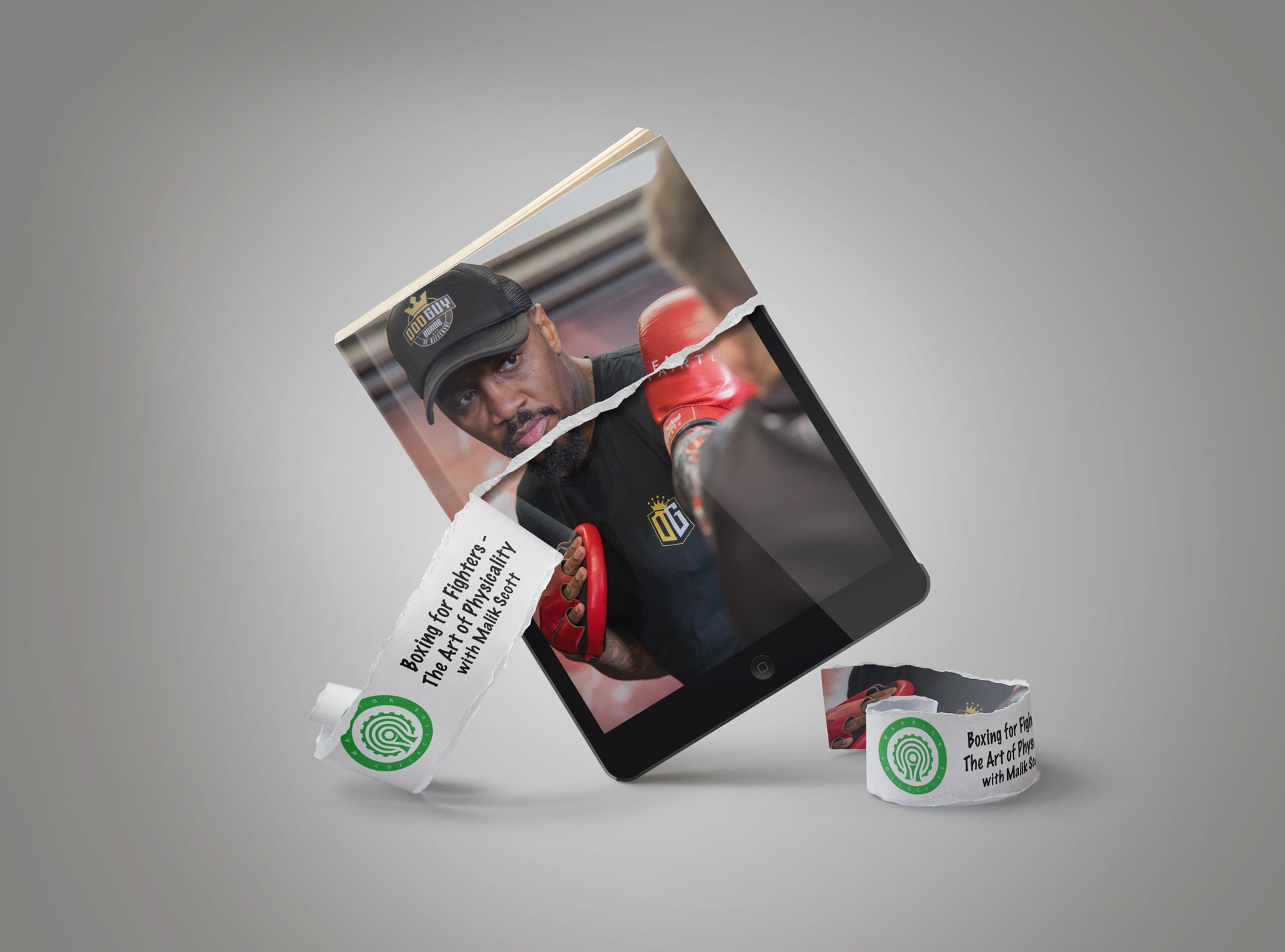
Boxing for Fighters - The Art of Physicality with Malik Scott
Boxing for Fighters - The Art of Physicality with Malik Scott
Couldn't load pickup availability

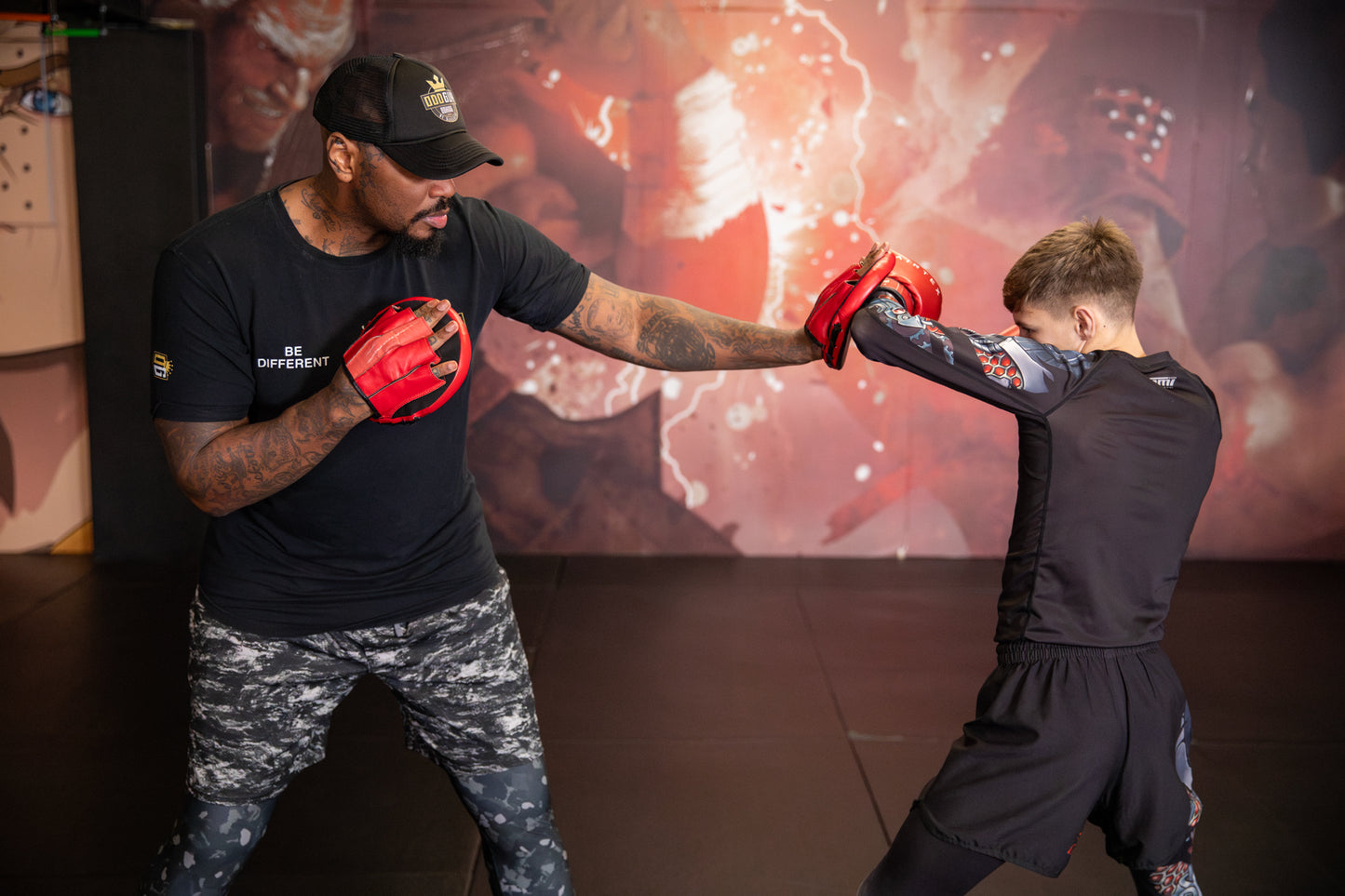
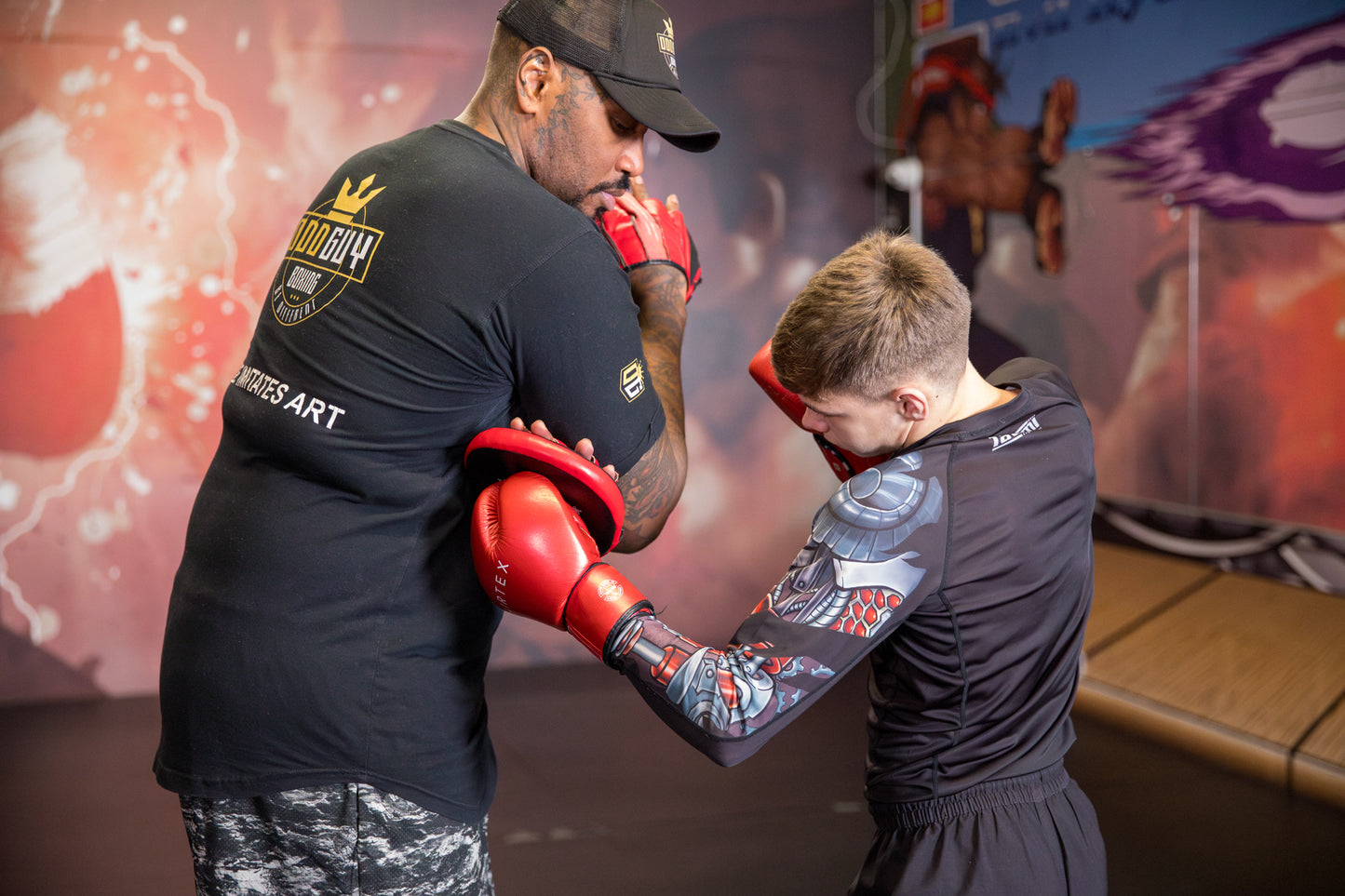

Boxing for Fighters – The Art of Physicality
The difference between good fighters and great fighters often isn't power.
It's control.
Elite boxers understand how to physically manipulate opponents, dominate positioning, control distance and break an opponent's structure before punches are even exchanged.
In Boxing for Fighters – The Art of Physicality, internationally renowned boxing coach Malik Scott introduces the first volume in his exclusive Warrior Collective series, revealing the physical control systems he teaches to world-class fighters.
Drawing upon decades of experience as a Junior World Champion, Olympian, undefeated heavyweight contender and one of boxing's most respected modern coaches, Malik demonstrates how intelligent physicality creates advantages that are rarely discussed but constantly used at the highest levels of professional boxing.
This isn't simply about being stronger.
It's about learning how to use leverage, positioning, timing and intelligent physical contact to control every phase of a fight.
Build the Foundations of Elite Boxing
Before developing great defence, footwork or tactical awareness, fighters must first understand how to control another human being.
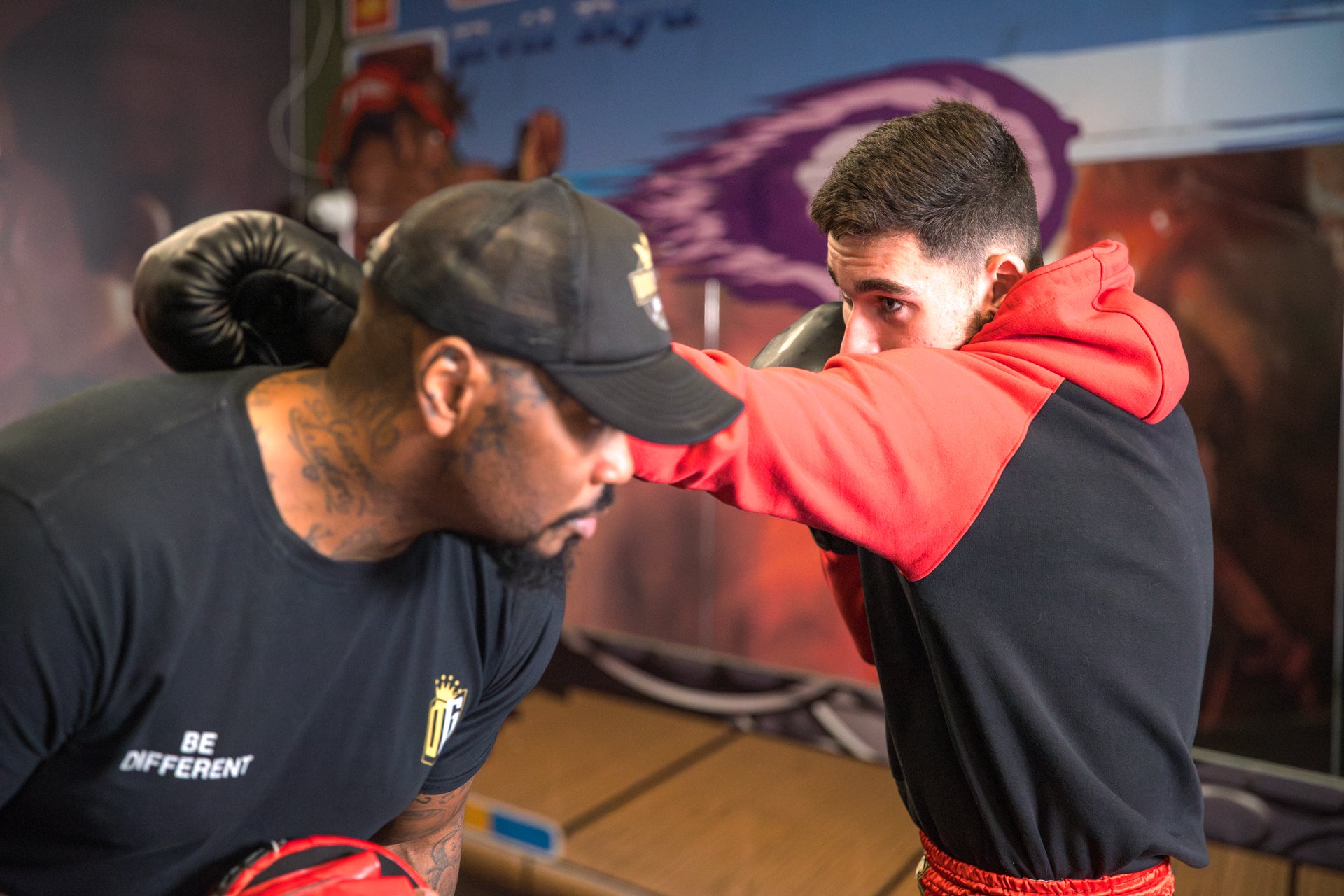
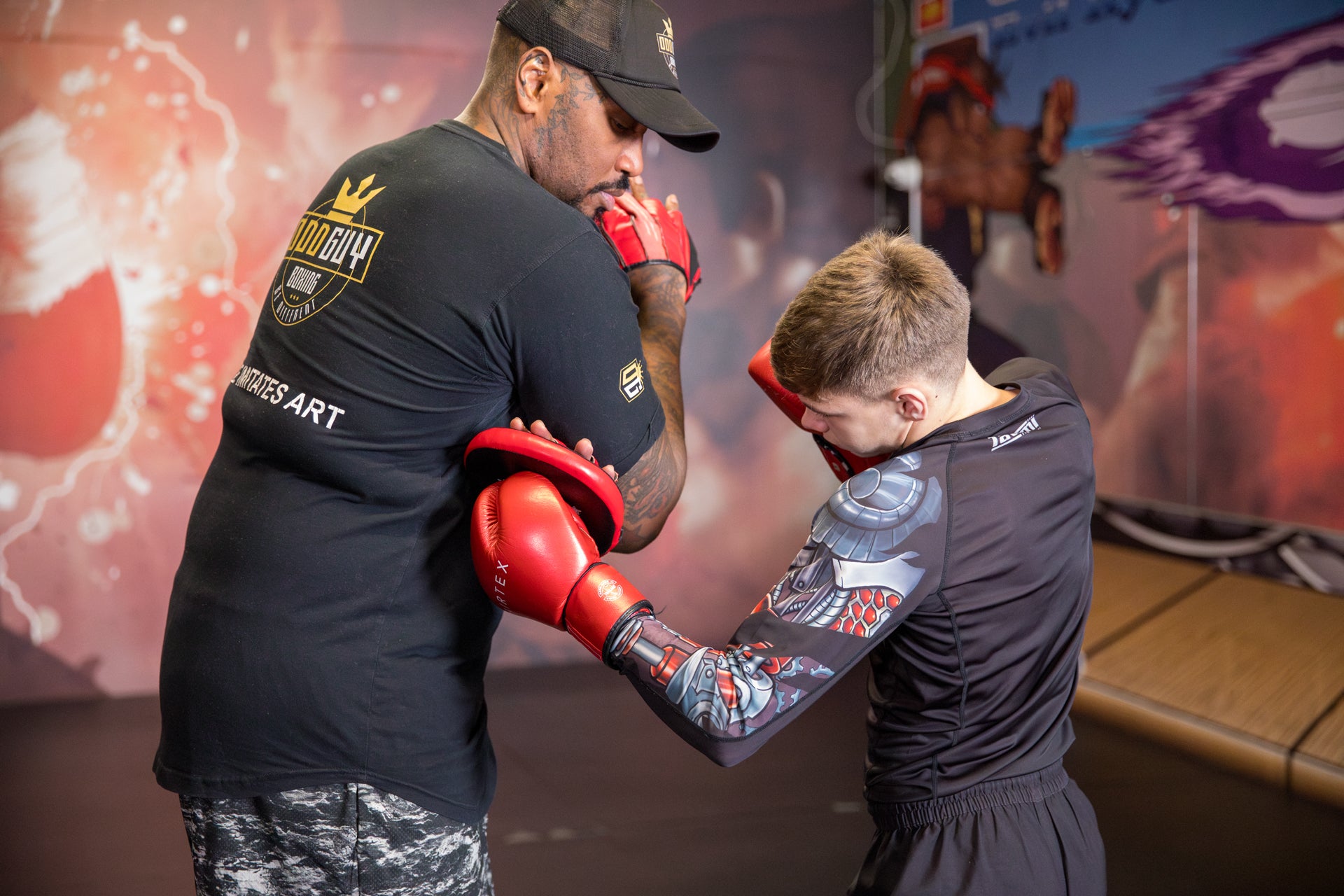
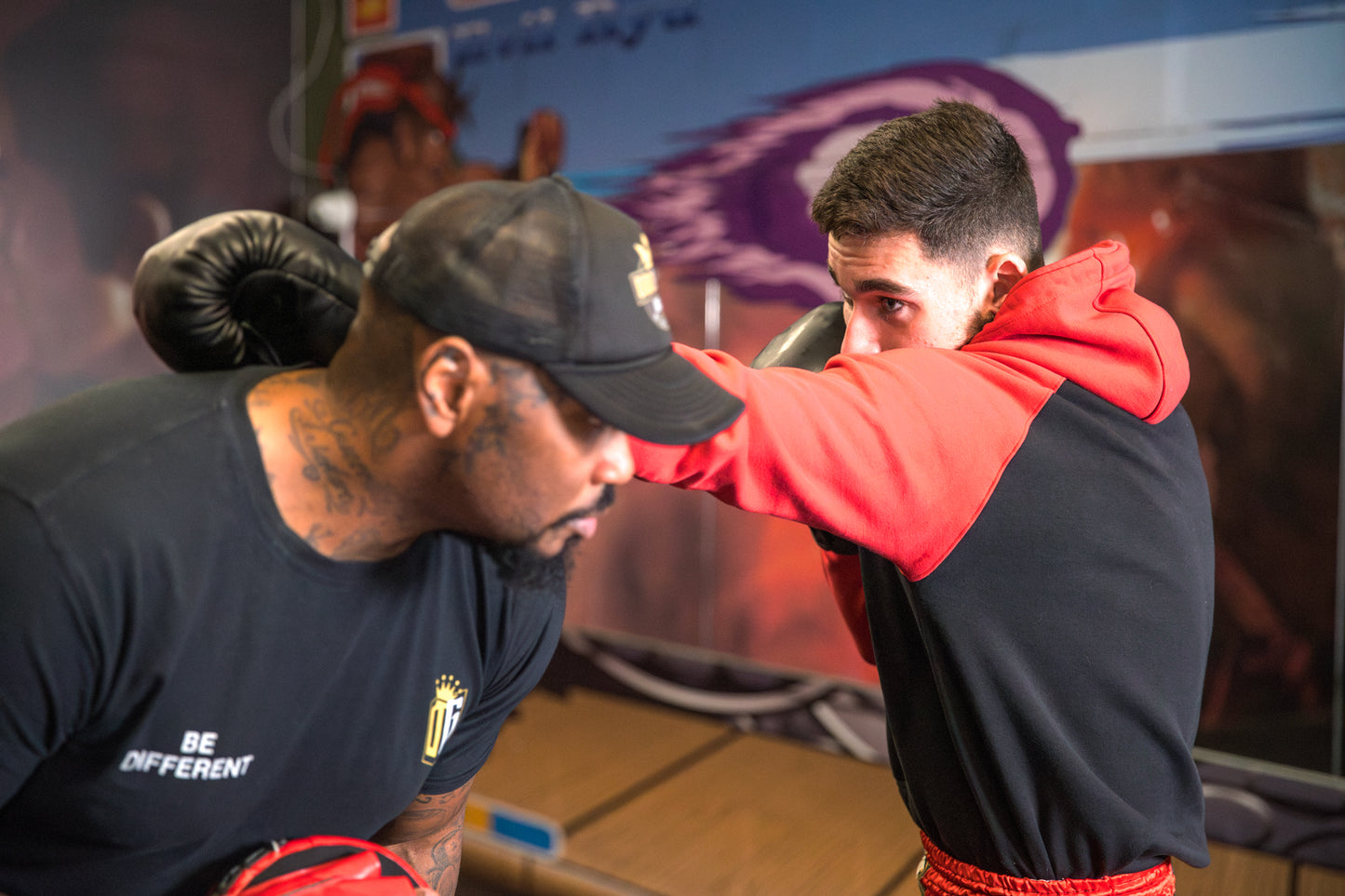
Throughout this instructional, Malik demonstrates how elite fighters use subtle physical controls, body positioning, frames, posts and directional pressure to dominate exchanges without relying on size or strength alone.
These principles underpin every other aspect of his coaching philosophy and provide the foundation for the complete Malik Scott Boxing Learning Series.
Whether you're a boxer, coach, Kickboxer, Muay Thai practitioner or MMA athlete, these concepts will improve your ability to control opponents, dictate exchanges and fight with greater confidence.

Learn from One of Boxing's Most Respected Coaches
Malik Scott began boxing at eleven years of age before becoming one of America's most accomplished amateur heavyweights, winning the Junior Olympic Championships, Junior World Championships and National AAU Heavyweight Championship.
Following a successful professional career competing against many of boxing's biggest names, Malik established himself as one of boxing's leading technical coaches.
Today, he is recognised globally for his work with elite fighters, including former WBC Heavyweight World Champion Deontay Wilder, alongside numerous world championship training camps and many of boxing's biggest events.
His coaching philosophy focuses on developing intelligent, adaptable fighters capable of controlling every exchange through superior positioning, timing and decision-making.

What You'll Learn
Physical Controls
Develop a complete framework for controlling opponents before, during and after every exchange using intelligent physical positioning.
The Illusion of Physicality
Learn how elite fighters appear physically dominant through leverage, timing and positioning rather than brute strength.
Physical Defence
Understand how subtle physical contact and intelligent structure improve both defence and offensive opportunities.
Directional Work
Master Malik's complete system of directional drills designed to improve positioning, movement and control.
Directional Progressions
Build progressively more advanced movement patterns that transfer directly into sparring and competition.
Body Shots to Controls
Learn how body attacks naturally create opportunities for physical control and positional dominance.
Breaking the Clinch
Discover efficient methods for creating space while maintaining offensive opportunities.
Missing Punches
Develop drills that physically limit an opponent's ability to evade and counter during exchanges.
The Physical 1–2 Framework
Transform boxing's most fundamental combination into a complete positional control system.
Physical Hand Positioning
Improve both offence and defence through intelligent hand placement and positional awareness.
Mastering Feints
Learn how physical positioning enhances deception and creates more believable feints.
The 1–2–1 Framework
Develop one of Malik's signature combination systems against both the high guard and the Philly Shell.
Pins vs Posts
Understand when to pin, when to post and how each creates different tactical advantages.
Stabilising Opponents
Control aggressive opponents through structured physical drills that improve balance, positioning and fight IQ.
Forearm Frames
Use frames both defensively and offensively to break posture, create space and dominate close-range exchanges.
Physical Pad Work
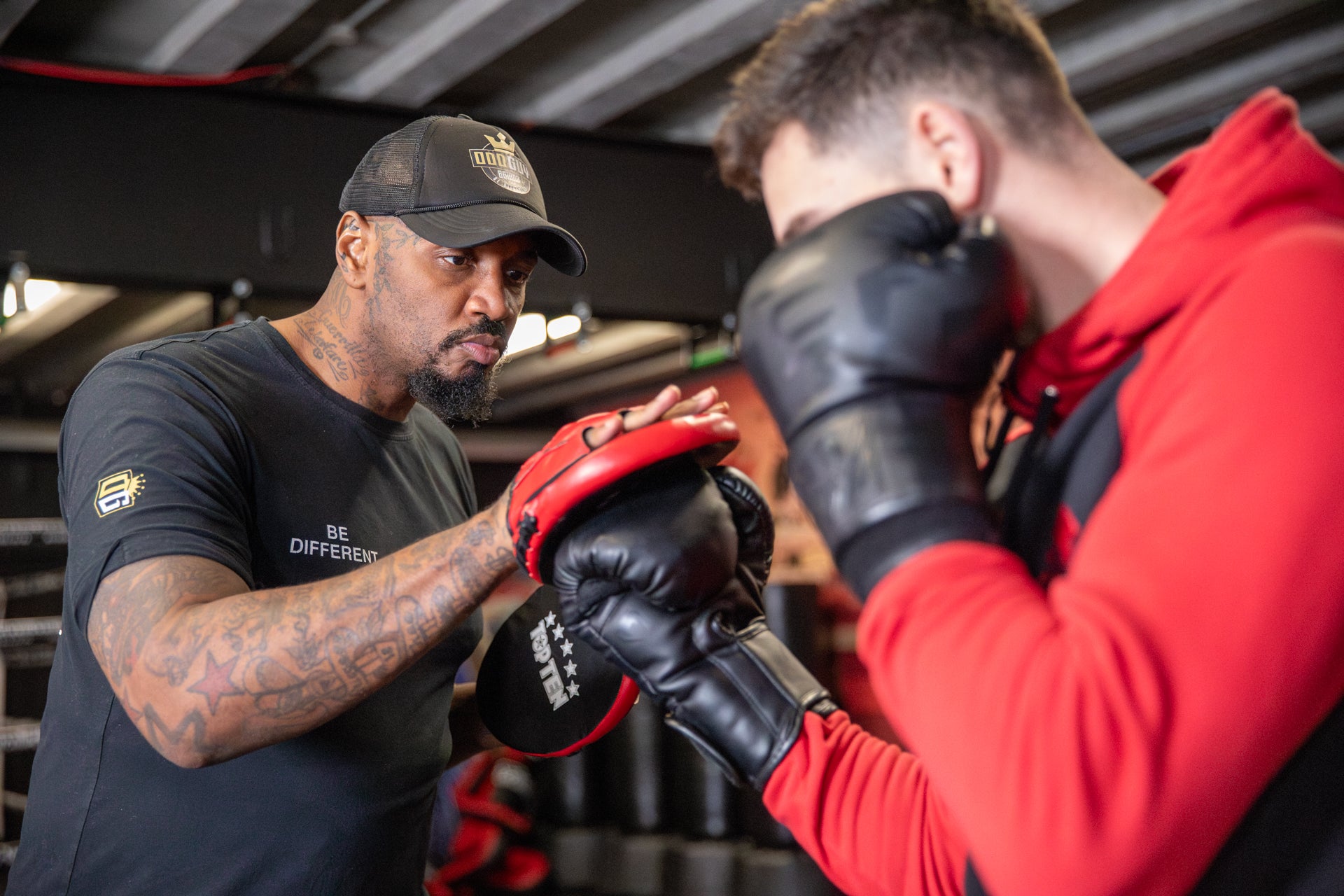
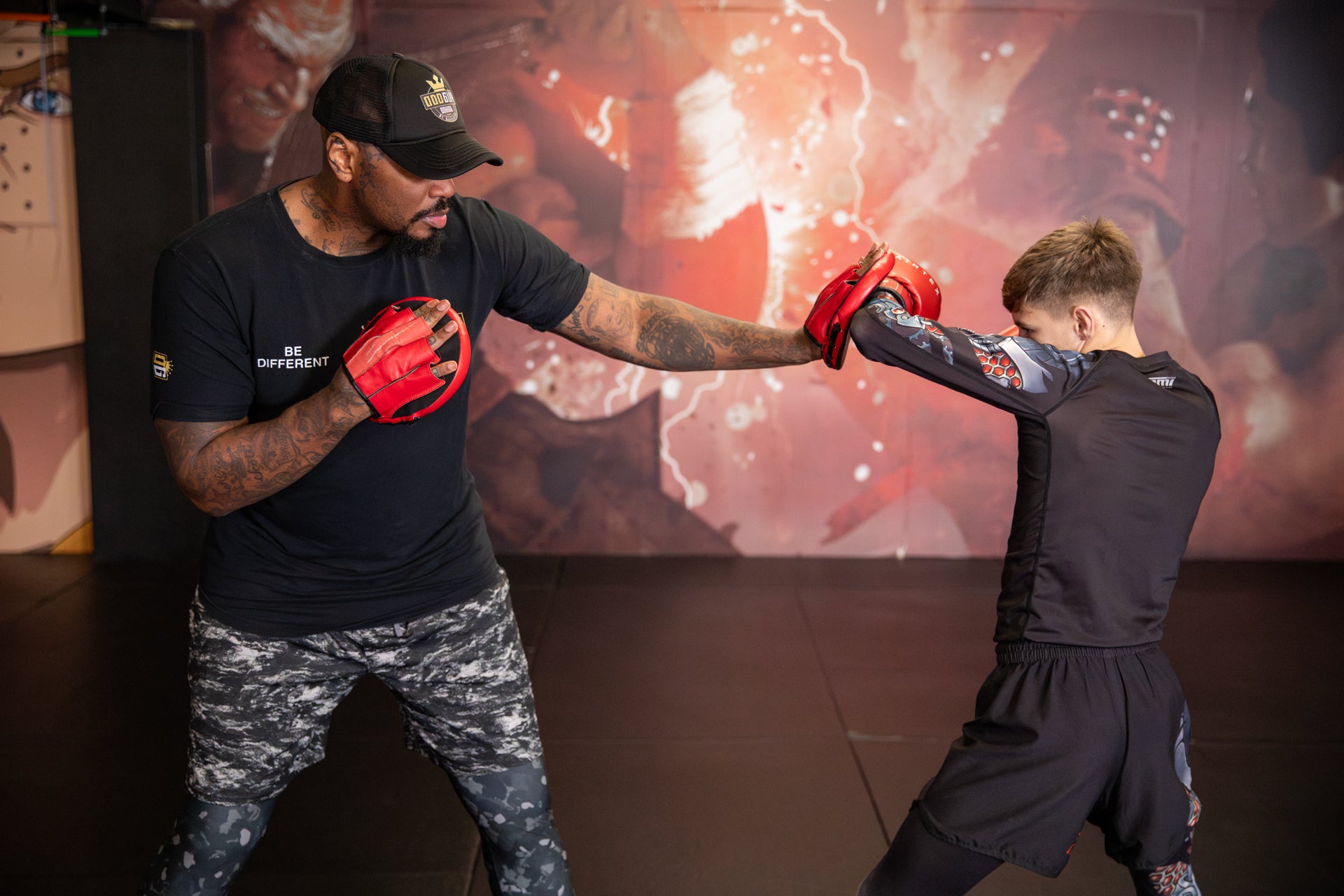
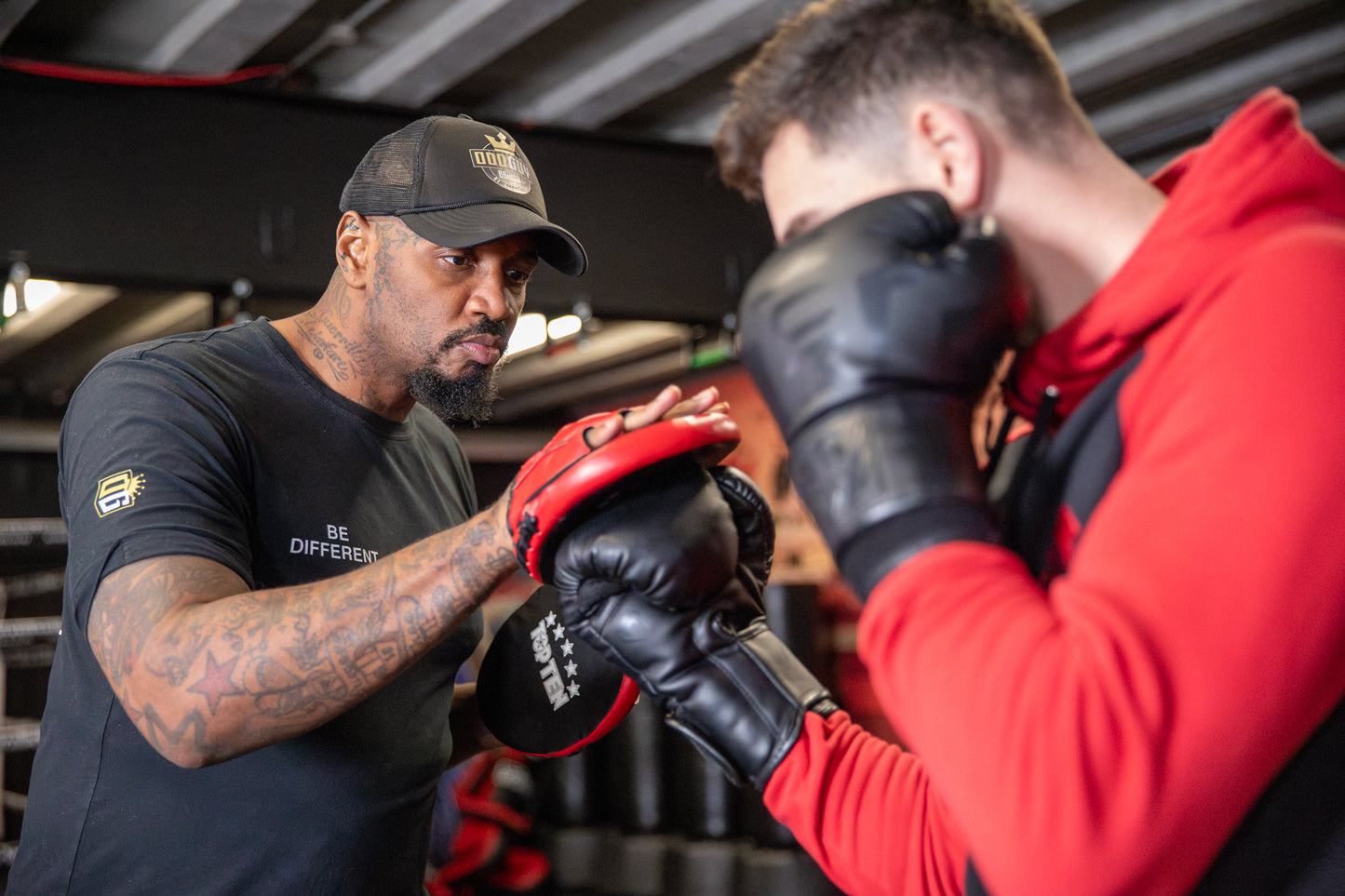
Bring every concept together through structured pad work that develops timing, pressure and complete physical control.
Why This Instructional Is Different
Most boxing instruction focuses almost exclusively on punches.
This instructional teaches everything that happens between the punches.
Malik demonstrates how elite fighters use physical positioning, leverage and subtle contact to create advantages before combinations are even thrown.
These are the hidden details that often separate experienced professionals from developing amateurs.

Who Is This Instructional For?
Boxing for Fighters – The Art of Physicality is designed for intermediate to advanced boxers, coaches and serious martial artists looking to build stronger technical foundations.
The concepts transfer exceptionally well to Kickboxing, Muay Thai and MMA, making this instructional equally valuable for athletes and coaches who want to improve physical control, positioning and striking efficiency across multiple combat sports.
Whether you're preparing for competition or coaching others, these methods provide practical systems that immediately improve both training and performance.

Begin the Malik Scott Boxing Learning Series
This instructional is the first chapter in The Malik Scott Art of Boxing Learning Series.
It establishes the physical foundations upon which the rest of Malik's coaching philosophy is built.
From here, continue into Boxing Defense – The Art of Not Getting Hit, where physical control develops into intelligent defensive systems.
Next, progress through Heavyweight Boxing – The Art of Lead Hand Domination, Boxing Agility – The Art of Elite Footwork, Boxing Training – Mastering the Art of Feinting and finally Boxing Sparring – The Art of Fighting, where every concept is integrated through structured technical sparring and live coaching methods.
Together, these six instructionals provide one of the most complete online boxing coaching systems available anywhere in the world.

Looking for Malik's Complete Boxing Coaching System?
Be sure to scroll to the bottom of this page to discover the Malik Scott Complete Bundle.
You'll receive every Warrior Collective instructional in Malik's acclaimed boxing series while saving substantially compared to purchasing each volume individually.
Together, these six comprehensive instructionals form one of the most complete online boxing learning pathways available today. From developing physicality, defensive systems and lead-hand control through to elite footwork, feinting, fight IQ and the technical sparring methods used to build world-class fighters, Malik shares the complete coaching philosophy that has made him one of boxing's most respected modern trainers.
Whether you're a boxer, coach, Kickboxer, Muay Thai practitioner or MMA athlete looking to elevate your striking, the Malik Scott Complete Bundle provides a structured, competition-tested framework for developing intelligent, adaptable and technically complete fighters from the ground up.
Master the Hidden Side of Boxing
If you want to:
- Control opponents through intelligent physicality
- Improve your positioning and balance
- Develop superior leverage and structure
- Build stronger technical foundations
- Learn directly from one of boxing's leading modern coaches
then Boxing for Fighters – The Art of Physicality provides the complete blueprint for mastering one of boxing's most overlooked yet valuable skill sets.
Below is an extract from the volume. This clip is from Video 8 - Missing Punches
Frequently Asked Questions
What is boxing physicality?
Boxing physicality is the intelligent use of positioning, leverage, balance and physical control to gain an advantage over an opponent without relying purely on strength or power.
Elite fighters constantly use subtle physical interactions to disrupt posture, control distance, create openings and make opponents uncomfortable before punches are even exchanged.
Throughout this instructional, Malik Scott breaks down the physical control systems that underpin many of the techniques used at the highest levels of professional boxing.
Who is this instructional designed for?
Boxing for Fighters – The Art of Physicality is designed for intermediate to advanced boxers, coaches and serious martial artists who want to build stronger technical foundations.
The concepts are equally valuable for Kickboxers, Muay Thai practitioners and MMA athletes looking to improve physical control, positioning and overall striking efficiency.
What is physical control in boxing?
Physical control is the ability to influence an opponent's position, balance and movement through intelligent use of your body, arms and stance.
Rather than simply throwing punches, elite fighters constantly use subtle touches, frames, posts, directional pressure and positioning to dictate where exchanges take place.
Inside this instructional, Malik teaches a complete framework covering:
- Physical controls
- Directional work
- Physical defence
- Body shots into controls
- Breaking the clinch
- Pins versus posts
- Forearm frames
- Stabilising opponents
- Physical pad work
These systems help fighters control exchanges before combinations even begin.
How do professional boxers control opponents?
Professional boxers rarely rely on athleticism alone.
They constantly manipulate opponents through positioning, lead-hand contact, body alignment, balance and intelligent movement.
Small adjustments in posture and physical pressure allow elite fighters to create better punching opportunities while limiting an opponent's options.
Malik demonstrates these hidden details throughout the instructional, explaining how they fit naturally into modern boxing.
What are boxing control drills?
Boxing control drills are structured exercises that teach fighters how to physically influence an opponent before, during and after exchanges.
Inside this instructional you'll learn drills covering:
- Physical hand positioning
- Directional movement
- Frames and posts
- Physical 1–2 frameworks
- Breaking the clinch
- Stabilising opponents
- Missing punches
- Body control
- Physical pad work
Each drill develops practical skills that transfer directly into sparring and competition.
How do you break the clinch in boxing?
Breaking the clinch isn't simply about pushing away.
Experienced fighters use body positioning, leverage, frames and directional movement to create space while maintaining balance and offensive opportunities.
Malik demonstrates structured methods for disengaging safely, regaining strong positions and immediately transitioning back into effective boxing.
Why is physical control important in boxing?
Physical control allows fighters to dictate the terms of a fight.
By controlling posture, positioning and balance, you can:
- Create cleaner punching opportunities
- Limit your opponent's offence
- Improve defensive positioning
- Set up combinations more effectively
- Maintain better balance
- Increase overall fight IQ
These concepts often separate experienced professionals from developing fighters.
Can boxing physicality improve Kickboxing, Muay Thai and MMA?
Absolutely.
The principles of physical control transfer exceptionally well across all striking sports.
Kickboxers can use these concepts to improve hand fighting, positioning and close-range exchanges.
Muay Thai practitioners can combine physical control with knees, elbows and clinch work to dominate inside positions.
MMA athletes benefit from improved cage control, striking entries and transitions into wrestling or clinch exchanges.
Physical control is one of the most transferable skills in combat sports.
How does this volume fit into Malik Scott's Warrior Collective series?
Boxing for Fighters – The Art of Physicality is the first volume in The Malik Scott Boxing Learning Series.
It introduces the physical principles that underpin Malik's entire coaching philosophy.
The series then progresses through:
- Boxing Defense – The Art of Not Getting Hit
- Heavyweight Boxing – The Art of Lead Hand Domination
- Boxing Agility – The Art of Elite Footwork
- Boxing Training – Mastering the Art of Feinting
- Boxing Sparring – The Art of Fighting
Together, these six instructionals form a structured learning pathway covering every major aspect of modern boxing—from physical control and defence through to lead-hand dominance, movement, deception and technical sparring.
What makes this instructional different from other boxing training videos?
Most boxing instruction focuses on punches, combinations and pad work.
This instructional teaches the hidden physical skills that elite fighters use between punches.
Rather than learning isolated techniques, you'll understand how positioning, leverage, frames, posts and intelligent body control create opportunities before exchanges even begin.
These are the same coaching principles Malik Scott uses to develop world-class fighters preparing for the highest levels of professional boxing.
Malik Scott Art of Boxing Series
Boxing for Fighters - The Art of Physicality - Develop a fighters whole game by increasing their physicality
Boxing Defense - The Art of Not Getting Hit - Build elite defensive systems from the physical foundations introduced here
Boxing Agility - The Art of Elite Footwork - Add world-class movement and positioning to your physical control systems
Heavyweight Boxing - The Art of Lead Hand Domination - Learn how physical control evolves into complete lead-hand dominance
Boxing Training - Mastering the Art of Feinting - Combine physical pressure with intelligent feints and deception
Boxing Sparring - The Art of Fighting - Apply every concept through structured technical sparring