


WarriorCollective
The Twisting Body Lock System - Higher Level MMA Training with James Doolan
The Twisting Body Lock System - Higher Level MMA Training with James Doolan
Couldn't load pickup availability
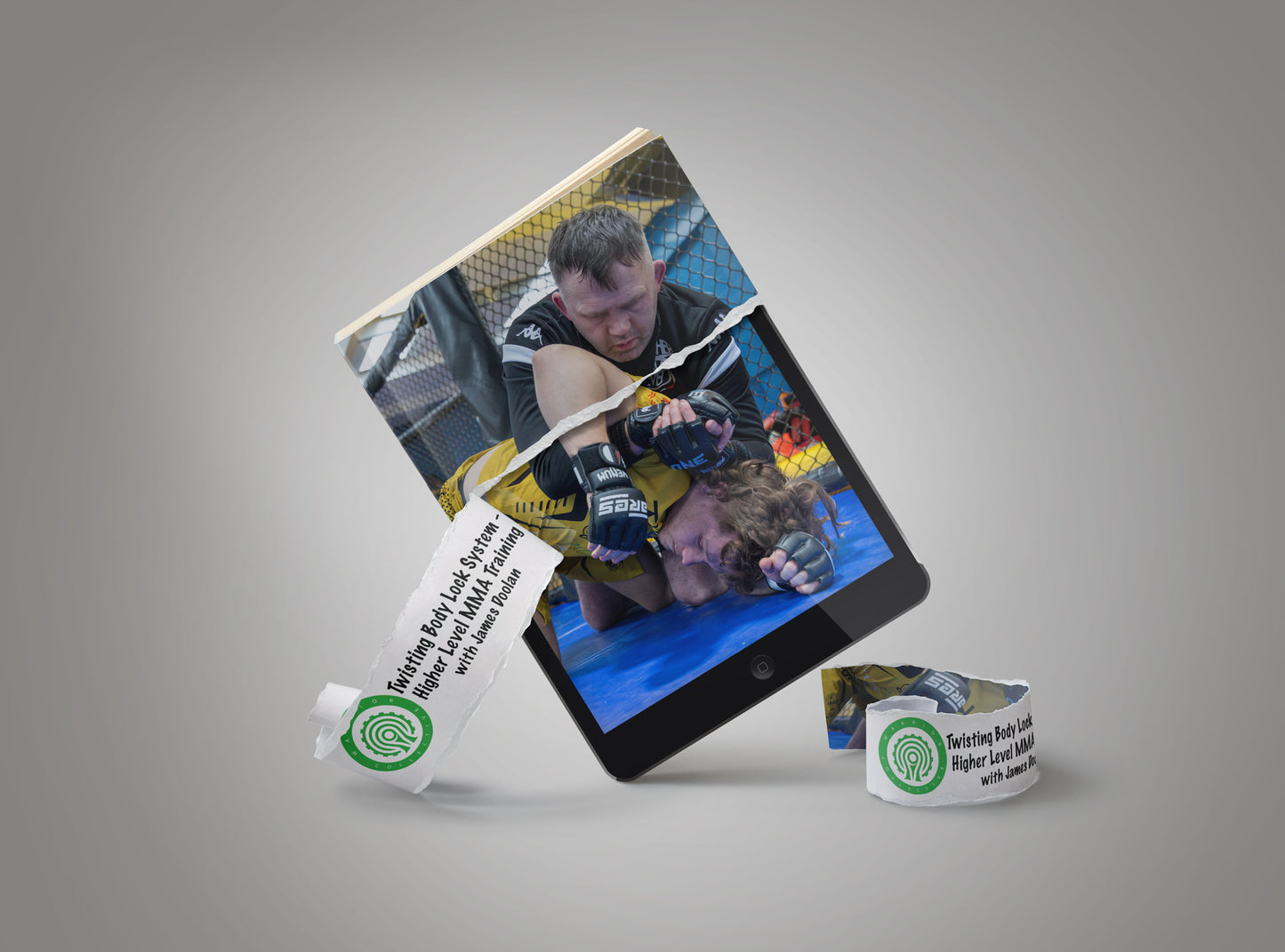

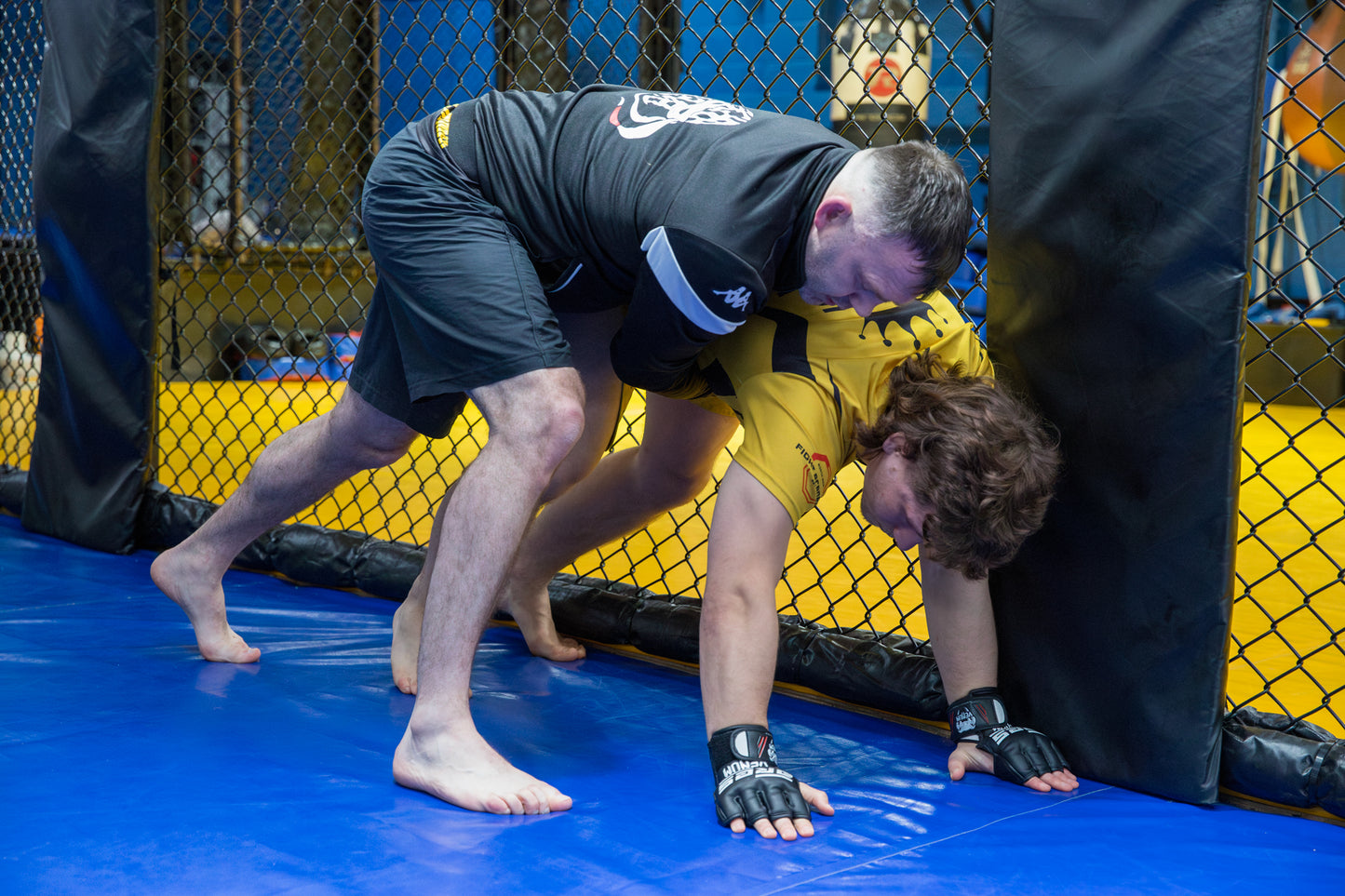
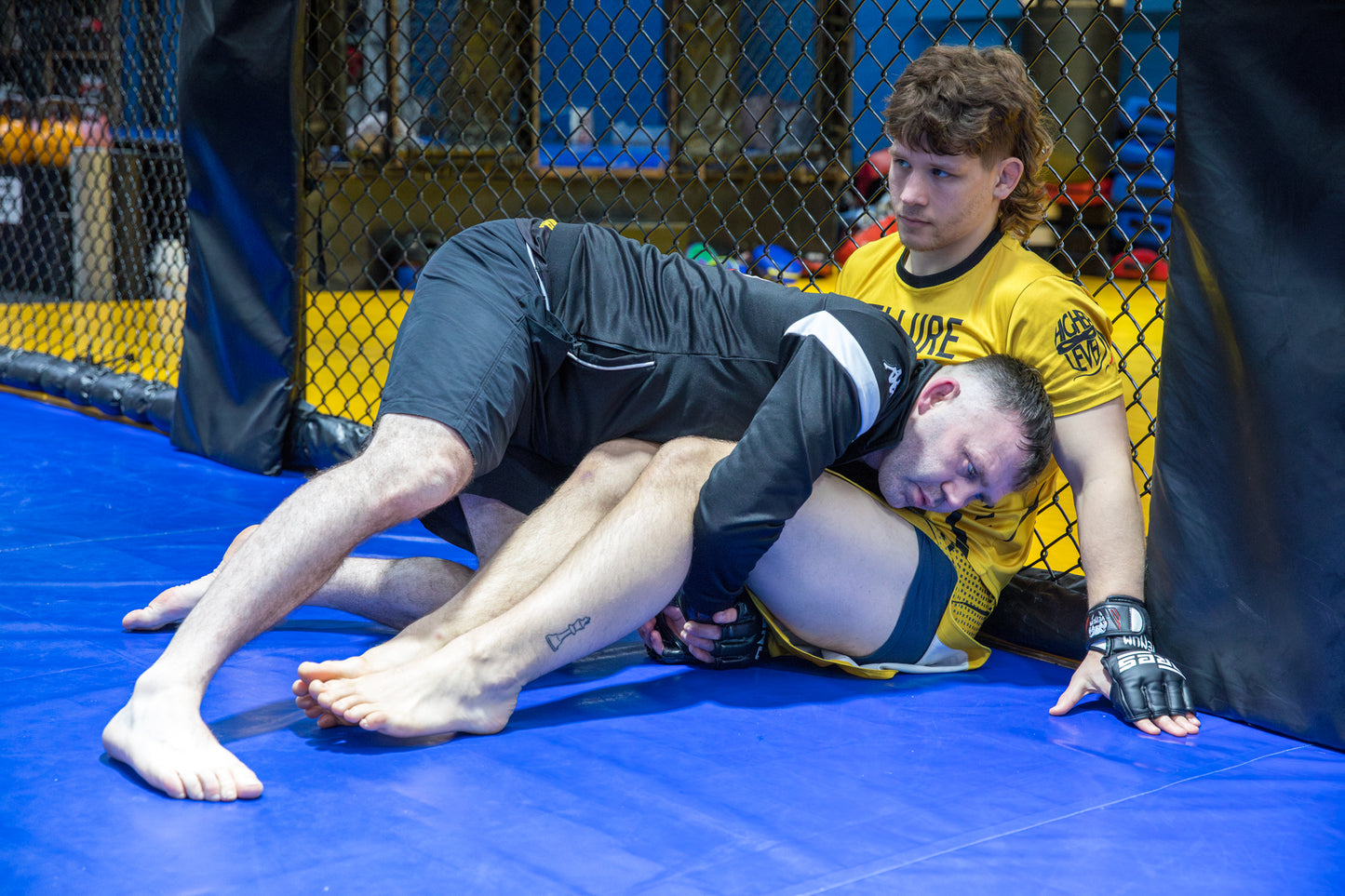
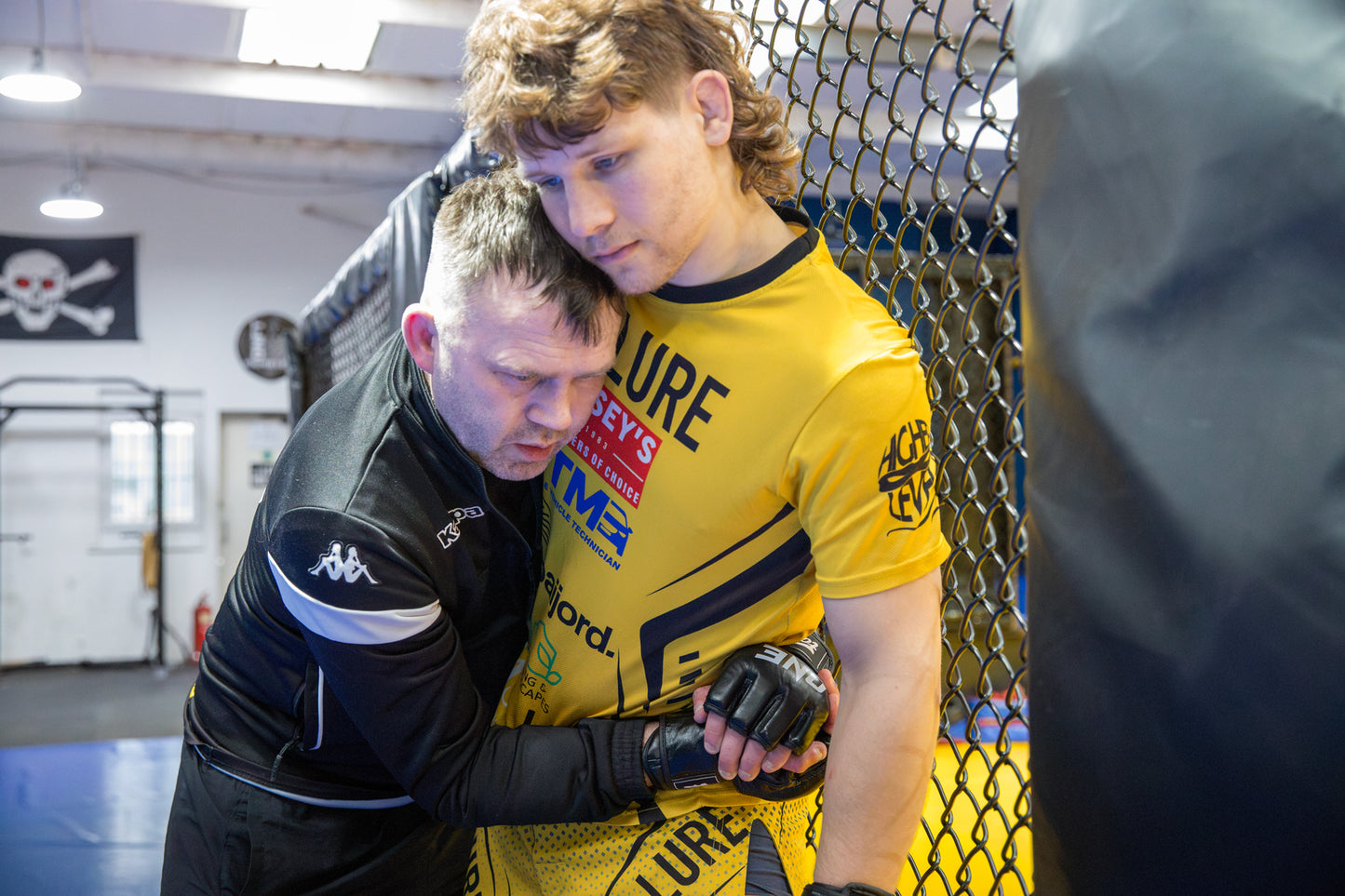
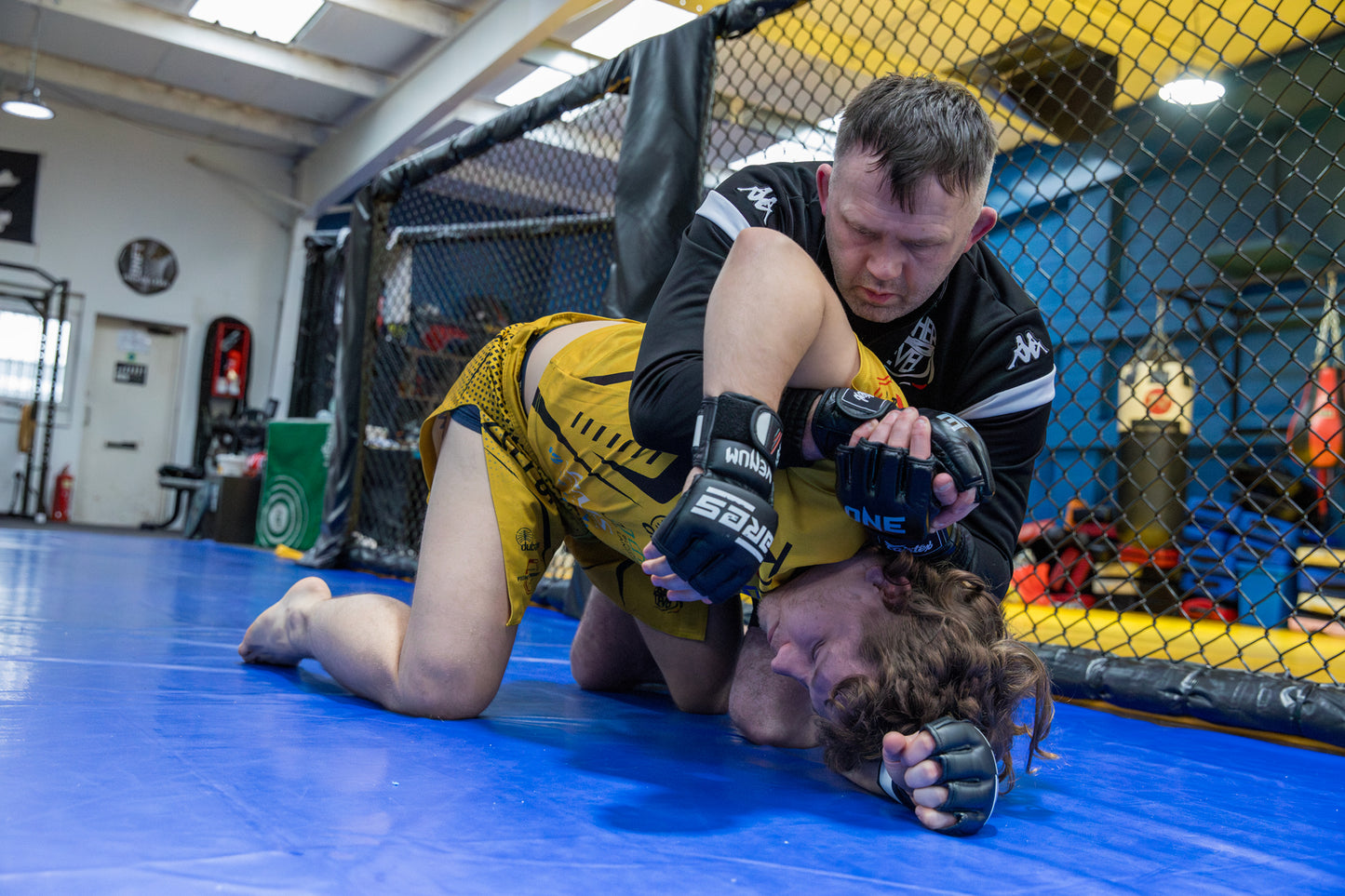
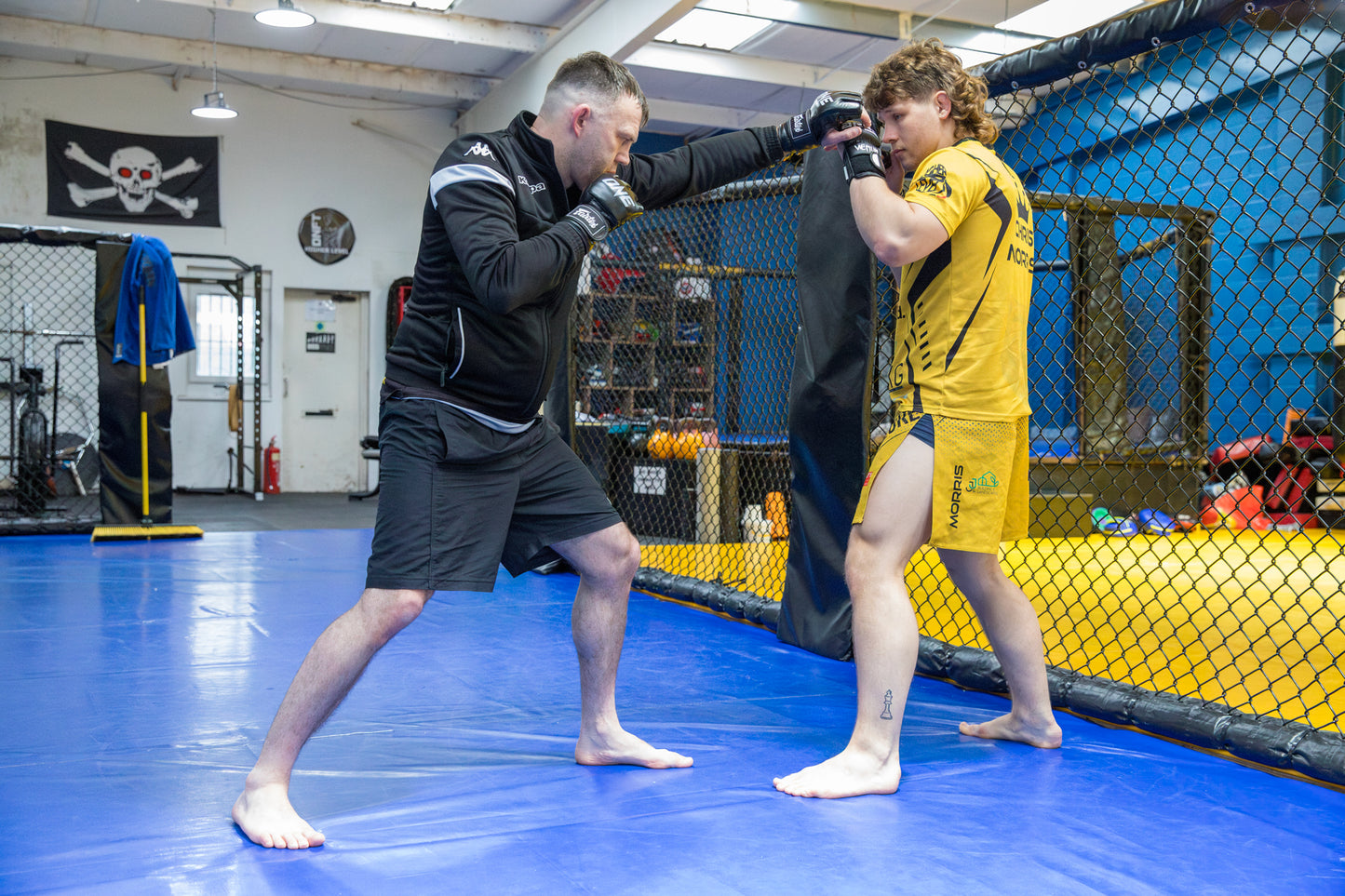

The Twisting Body Lock System – Higher Level MMA Training with James Doolan
Learn James Doolan's complete Body Lock System for MMA and discover how he connects cage pressure, takedowns, back exposure, mat control and ground attacks.
Getting your hands connected around an opponent is only the beginning.
Against an experienced MMA fighter, securing a body lock creates a constantly changing series of problems. Your opponent will fight the hands, change their base, use the cage, widen their stance, turn their hips, expose their back or attempt to separate and escape.
The question isn't simply:
How do I take them down?
It's:
What do I do next when they stop the first option?
That problem lies at the heart of The Twisting Body Lock System – Higher Level MMA Training.
In his third full-length Warrior Collective instructional, internationally respected MMA coach James Doolan breaks down the systematic approach he uses to develop body-lock wrestling at Higher Level MMA in Scotland.
Working with Higher Level fighter Chris Morris, James takes you through the complete process — from forcing an opponent towards the cage and connecting your hands to breaking posture, chaining takedowns, exposing the back, controlling the opponent on the mat and preventing them from returning to their feet.
This isn't simply an instructional about one takedown.
It's a complete system for turning the body lock into a sequence of connected problems your opponent has to solve.

James Doolan and Higher Level MMA
James Doolan is the founder and head coach of Higher Level MMA in Bathgate, Scotland.
A former professional MMA fighter and BJJ black belt, James competed extensively across combat sports before increasingly turning his attention towards coaching. His professional MMA career finished with a 17-9-2 record, while his earlier competitive background included Karate, Taekwondo, Kickboxing and Muay Thai.
That breadth of experience has helped shape the way James approaches MMA.
Rather than treating Boxing, Kickboxing, Wrestling and Jiu Jitsu as separate disciplines that happen to exist inside the same sport, his coaching focuses heavily on the connections between them.
Higher Level has subsequently developed fighters who have competed at UFC and other major international levels. UFC-level athletes developed under James include Stevie Ray, Danny Henry and Joanne Wood.
Higher Level's reputation has been built around developing complete MMA athletes rather than specialists who struggle when a fight moves outside their preferred area. A long-form profile of James described the gym's development into one of the UK's leading MMA teams.
That philosophy runs throughout this instructional.
The Body Lock System
A body lock is not a finishing position in itself.
It's a platform from which multiple attacks become available.
James's system teaches fighters to understand the opponent's balance, posture, hip position and reactions once the hands have been connected.
Rather than attempting one takedown repeatedly against increasing resistance, you learn how different reactions expose different opportunities.
Throughout the instructional, James develops the system through:
Driving to the Cage • Connecting the Hands • The Twisting Body Lock • Lift & Drag • Knee Inside & Polish Throw • Ankle Pick & Knee Drive • Back Exposure • MMA Mat Controls • Leg Riding • Submissions • Body Lock Defence • Countering Defence
The result is a framework that connects the standing and ground phases of MMA rather than treating the takedown as the end of the exchange.

Phase 1: Pressure, Position and the Cage
The system begins before the body lock has even been secured.
James explains how to control space and pressure an opponent towards the cage, where their ability to retreat and reposition becomes increasingly restricted.
You will learn how to close distance intelligently and attach to the opponent without treating the entry as an isolated wrestling movement.
For MMA fighters, this distinction matters.
The takedown starts with the position you create before attempting it.
Connecting the Hands
Once you've closed distance, James breaks down how to establish the connection required to begin working the system.
Small differences in hand position, posture, hip placement and pressure can determine whether the body lock becomes an attacking platform or merely a position your opponent can comfortably defend.
James therefore establishes the fundamental details before progressing into more complex attacks.
The Twisting Body Lock
At the centre of the instructional is James's Twisting Body Lock.
Instead of trying to overpower a strong opponent directly, the system uses position, rotation and pressure to compromise their structure.
Once the opponent begins reacting to those forces, different attacking routes become available.
This is where the system starts becoming particularly interesting for coaches.
The objective isn't memorising:
Technique A → Technique B → Technique C.
It is learning to recognise:
Position → pressure → reaction → appropriate response.
The Takedown Is Not the End
This is where the instructional becomes particularly relevant to MMA rather than conventional wrestling.
Putting an opponent on the floor is only part of the job.
Experienced MMA fighters immediately begin working to scramble, establish frames, build their base and return to their feet.
James therefore continues the system after the takedown.
The same philosophy remains:
control the opponent's options, recognise their reaction and move into the next appropriate position.
MMA Mat Controls
James introduces MMA-specific mat controls designed around the realities of fighting rather than grappling for its own sake.
The objective is to prevent the opponent freely rebuilding their base while maintaining positions from which you can continue attacking.
This creates the bridge between:
wrestling → control → striking → submission opportunities.
The Higher Level Leg-Riding Framework
Leg riding provides another layer of control once the fight reaches the mat.
James demonstrates how controlling the opponent's lower body can restrict their ability to stand, scramble or rotate into stronger positions.
Rather than simply holding someone down, the objective is to keep them trapped while creating opportunities to continue attacking.
This is particularly relevant in modern MMA, where being able to prevent an opponent returning to their feet can be as important as completing the initial takedown.

What You'll Learn
Throughout The Twisting Body Lock System – Higher Level MMA Training, James covers:
- Driving opponents towards the cage
- Closing distance and attaching safely
- Connecting the hands
- Body-lock positioning
- The Twisting Body Lock
- Using hip position effectively
- Lift-and-drag attacks
- Knee-inside positioning
- The Polish throw
- Ankle picks
- Knee-drive takedowns
- Breaking posture and balance
- Creating and exploiting back exposure
- Standing back control
- MMA-specific mat controls
- The Higher Level leg-riding framework
- Preventing opponents returning to their feet
- Creating submission opportunities
- Defending body locks
- Countering defensive reactions
- Connecting the entire system together
- Bonus training content

Demonstrated with Higher Level Fighter Chris Morris
James demonstrates the system alongside Chris "Chuck" Morris, a Higher Level MMA welterweight.
Since this instructional was filmed, Morris has continued developing as a professional fighter. He currently holds a 3-0 professional record, with wins by decision, TKO and submission, and has competed for Cage Warriors.
That makes the footage particularly useful because James isn't simply demonstrating techniques with a passive training partner.
You're seeing a coach working through the system with an athlete developing within the Higher Level environment.
Built for MMA Coaches
As with James's other Warrior Collective instructionals, I think coaches may get even more from this volume than individual practitioners.
The value isn't merely the number of techniques.
It's the architecture connecting them.
You can use the material to create training around:
body-lock entries, cage wrestling, balance and posture, defensive reactions, chained takedowns, back exposure, mat returns, leg riding, ground control and submissions.
Instead of teaching each subject during an unrelated session, James provides a framework through which one problem naturally leads into another.
That makes The Twisting Body Lock System as much an instructional about how to develop MMA wrestling as it is about the body lock itself.

Volume 3 of the James Doolan Higher Level MMA Series
This is James's third full-length instructional for Warrior Collective and develops another major part of the Higher Level coaching system.
His current Warrior Collective collection contains four volumes.
Volume 1 – MMA Drills for Elite Level Fighters: Chaining Attacks
Learn how James connects striking, wrestling, takedowns, mat returns and ground control through progressive MMA drills and chained attacks.
Volume 2 – MMA Striking Drills for Fighters: The Higher Level System
Explore how striking changes specifically for MMA through movement, kicking, feints, distance management, defence and cage positioning.
Volume 3 – The Twisting Body Lock System: Higher Level MMA Training
This instructional.
Develop the body lock from initial pressure and connection through takedowns, back exposure, mat control, leg riding and submissions.
Volume 4 – MMA Pressure Striking for Fighters: The Higher Level Counter System
Return to the striking phase and explore James's system for using pressure, reactions and counters against experienced MMA opponents.
Together, these volumes provide an increasingly detailed insight into how James Doolan develops complete MMA fighters, rather than simply presenting unrelated collections of techniques.
Who Is This Instructional For?
MMA coaches looking for a structured framework for teaching body-lock wrestling, cage control and ground transitions.
Competitive MMA fighters wanting to improve their ability to convert clinch positions into takedowns and continued attacks.
Wrestlers transitioning into MMA who need to adapt their control and takedown skills to the cage, striking and submission threats.
BJJ practitioners moving into MMA who want to better understand the wrestling and positional control required to dictate where the fight takes place.
Developing fighters who can secure body locks but struggle when their first takedown attempt is defended.
And anyone interested in understanding the coaching systems used inside one of Britain's established MMA development environments.
Don't Stop at the Takedown
The defining idea behind this instructional is simple:
Securing the body lock isn't the objective.
It's the beginning of a chain.
Your opponent defends.
You adjust.
They change their base.
You attack another direction.
They expose their back.
You follow.
They hit the mat.
You control.
They try to stand.
You ride.
That's what separates The Twisting Body Lock System from an instructional containing a handful of body-lock takedowns.
James Doolan gives you a framework for understanding what happens next.
For fighters, that means developing a body-lock game capable of surviving resistance.
For coaches, it provides a structured system you can take back into your own MMA programme and continue developing with your athletes.
Learn The Twisting Body Lock System and add the third part of James Doolan's Higher Level MMA training methodology to your game.

Frequently Asked Questions
What is a body lock in MMA?
A body lock is a grappling position where a fighter connects their arms or hands around an opponent's torso to establish control.
In MMA, the body lock can be used to restrict movement, pressure an opponent towards the cage and create takedown opportunities. James Doolan's system goes further by connecting the initial body lock to throws, trips, back exposure, mat control and continued attacks when an opponent defends.
How do you use a body lock for takedowns in MMA?
A successful body-lock takedown relies on more than simply squeezing an opponent and trying to overpower them.
James teaches fighters to manipulate posture, balance, hip position and defensive reactions. From there, different options become available, including lifts, drags, trips, ankle picks and throws. The objective is to select the appropriate attack according to how the opponent responds rather than forcing a predetermined takedown.
What is the Twisting Body Lock System?
The Twisting Body Lock System is James Doolan's framework for using rotation, pressure, positioning and connected attacks to compromise an opponent's structure from a body lock.
Rather than treating the body lock as one position leading to one takedown, James develops multiple options based upon the opponent's reactions. The system then continues beyond the takedown into back exposure, mat control, leg riding and further attacks.
How do you break an opponent's balance from a body lock?
Breaking balance requires control of the opponent's posture and base before attempting to complete the takedown.
James demonstrates how hip position, rotational pressure, directional changes and attacks at different levels can force opponents to continually adjust their stance. Those adjustments can create opportunities for lifts, drags, throws, ankle picks and other takedowns without relying entirely on strength.
How do you use the cage for body-lock takedowns?
The cage limits an opponent's ability to retreat, but it can also help them remain standing if the attacking fighter doesn't understand positioning.
James teaches how to pressure an opponent towards the fence, establish the body lock and manipulate their posture and base against the cage. From there, fighters can chain different takedown options according to the opponent's defensive reactions.
What should you do when an opponent defends a body-lock takedown?
Rather than repeatedly forcing the same takedown, James teaches fighters to use the opponent's defence to identify the next available attack.
A change in stance, hip position, hand fighting or direction can expose another takedown, the legs or the opponent's back. This reaction-based approach is central to the Twisting Body Lock System and the wider Higher Level MMA coaching methodology.
How do you take the back from a standing body lock?
An opponent attempting to escape body-lock pressure may rotate or turn their hips, potentially exposing their back.
James shows how to recognise this reaction, maintain connection and transition into standing back control. From there, fighters can work towards takedowns and continued positional control rather than allowing the opponent's turn to become an escape.
What is leg riding in MMA?
Leg riding involves controlling an opponent's lower body after the fight reaches the mat to restrict their ability to scramble or return to their feet.
In MMA, effective leg riding can help a fighter maintain top position while creating opportunities for strikes, positional advancement and submissions. James teaches leg riding as part of the transition from takedown to sustained MMA ground control.
How is MMA mat control different from BJJ ground control?
Although there is considerable crossover, the objectives can be different.
In MMA, the top fighter must consider strikes, submissions, scrambling, cage position and an opponent attempting to return to their feet. James's mat-control framework therefore focuses on restricting movement while maintaining positions that allow continued offence rather than controlling an opponent purely within a grappling ruleset.
How do you defend a body lock in MMA?
Body-lock defence begins with recognising the position before the opponent establishes complete control.
Posture, hip positioning, hand fighting, base and movement can all influence whether an opponent can progress from the body lock into a takedown. The instructional covers both attacking and defending the position, helping fighters understand the exchange from both perspectives.
Is The Twisting Body Lock System a standalone instructional?
Yes. You do not need to watch James Doolan's first two Warrior Collective instructionals before studying The Twisting Body Lock System.
However, Volumes 1 and 2 provide additional insight into James's wider Higher Level MMA methodology. Volume 1 explores connecting the different phases of MMA, while Volume 2 focuses specifically on developing striking for MMA. Volume 3 applies many of those problem-solving principles to body-lock wrestling, cage control and ground transitions.
Below is an extract from the volume. This clip is from Video 4 - Lift and Drag